

Courts Hold Social Media Giant Accountable for Harming Kids
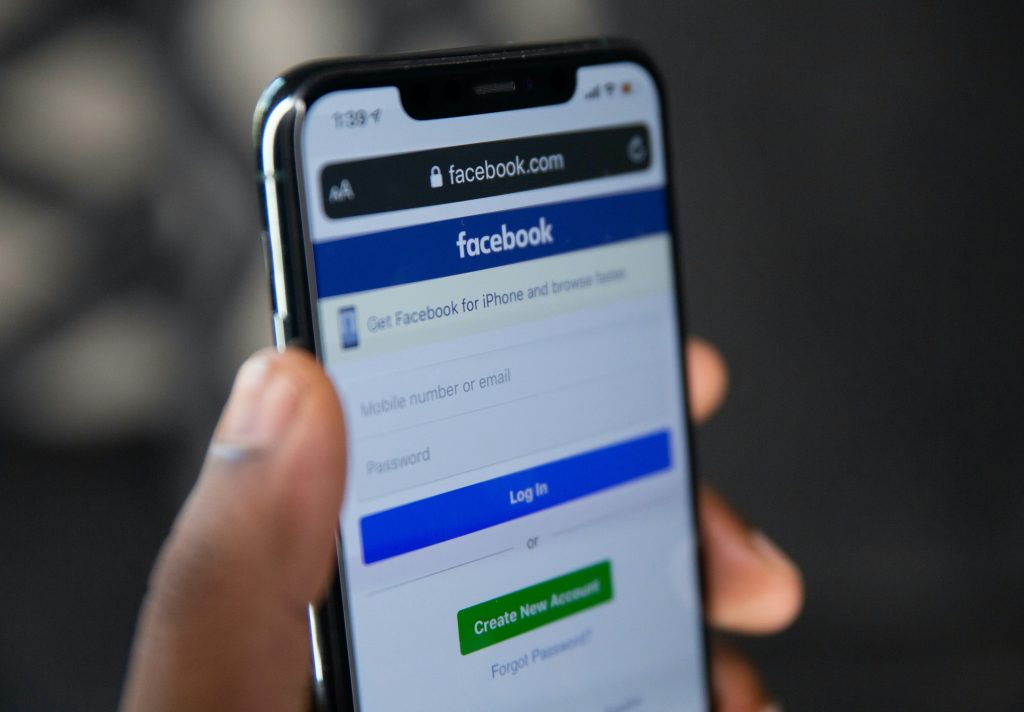
Two juries in two days have found Facebook and Instagram owner, Meta, liable for harming children on its social media platforms.

Last Tuesday, a New Mexico jury ruled that Meta knowingly harmed children’s mental health and concealed what it knew about child sexual exploitation on Instagram and Facebook. Jurors found thousands of violations, with penalties of $375 million.

On Wednesday, a Los Angeles jury awarded $3 million in damages to a young woman who said she became addicted to Meta and YouTube as a child, and recommended $3 million in punitive damages after finding the companies acted with malice.

Evidence presented at trial showed that tech executives knew their platforms were dangerous for children, but kept that information hidden.

The judge presiding over the case will make a final decision about how damages that the companies must pay.

All of this is significant for Arkansas, because Attorney General Tim Griffin has sued Meta in state court for endangering children.

The Arkansas Attorney General’s Office has alleged that platforms like Facebook and Instagram are built around algorithms intentionally designed “to exploit human psychology and foster addiction to maximize users’ screen time,” and that this exploitation is especially true of young users with developing brains.

Social media platforms are a multibillion dollar industry. The adults who own and profit from these companies have a responsibility to protect children on their platforms.

Family Council is not aware of any attorney general in America who is doing more to hold social media giants accountable and protect children online than Arkansas Attorney General Tim Griffin.

It’s good to see courts in California and New Mexico protecting kids online. We hope Arkansas’ courts will protect children as well.

Articles appearing on this website are written with the aid of Family Council’s researchers and writers.

8th Circuit Gives Arkansas A.G. Greenlight to Appeal Case Protecting Kids Online

Earlier this month the Eighth Circuit Court of Appeals gave Arkansas Attorney General Tim Griffin’s office a greenlight to continue defending a state law designed to protect children online.

In 2023 the Arkansas Legislature passed the Social Media Safety Act. This good law by Sen. Tyler Dees (R – Siloam Springs) and Rep. Jon Eubanks (R – Paris) requires major social media companies to ensure minors don’t access social media platforms without parental consent. A social media company that violated the law could be held liable.

In response, a group of social media tech giants sued to strike down the Social Media Safety Act as unconstitutional.

In March U.S. District Judge Timothy Brooks in Fayetteville issued a final order blocking the State of Arkansas from enforcing the Social Media Safety Act. Among other things, Judge Brooks’ ruling claims that Arkansas’ Social Media Safety Act is unconstitutionally broad and vague.

However, the A.G.’s team has appealed that decision. A panel of judges at the Eighth Circuit have now asked Attorney General Griffin to submit a brief in the case by November 3.

A growing body of evidence shows that — by design — social media platforms are not appropriate for children.

TikTok has been accused of serving kids a steady “diet of darkness” online and struggling to protect private user data from entities in China, such as the Chinese Communist Party.

The Arkansas Attorney General’s Office has filed documents in other court cases alleging that platforms like Facebook and Instagram are built around algorithms intentionally designed “to exploit human psychology and foster addiction to maximize users’ screen time,” and that this exploitation is especially true of young users with developing brains.

Social media platforms are more than just websites or phone apps. These are multibillion dollar corporations, and the adults who own and profit from them have a responsibility to protect children on their platforms. They should not be able to register children as users and let those children post photos and videos on their platforms without parental consent.

Family Council is not aware of any attorney general in America who is doing more to hold social media giants accountable and protect children online than Arkansas Attorney General Tim Griffin. We appreciate his willingness to appeal to the Eighth Circuit, and we are confident our federal courts ultimately will let Arkansas protect children on social media.

Articles appearing on this website are written with the aid of Family Council’s researchers and writers.

Arkansas A.G. Asks Court to Set Trial Date in Lawsuit Against Meta

The Arkansas Attorney General’s Office is asking a state court to set a trial date in a lawsuit against social media giant Meta — the company that owns Facebook and Instagram.

In 2023, Arkansas Attorney General Tim Griffin sued Meta in Polk County Circuit Court for allegedly misleading the public about the safety and addictiveness of its social media platforms.

The lawsuit says Meta structured Facebook and Instagram “to exploit multiple neuropsychological traits in youth.”

It notes that Facebook and Instagram are built around algorithms intentionally designed “to exploit human psychology and foster addiction to maximize users’ screen time.”

The A.G.’s legal complaint says this exploitation is especially true of young users with developing brains.

The lawsuit also says that, “youth mental health problems have advanced in lockstep with the growth of social media platforms that have been deliberately designed to attract and addict youth by amplifying harmful material, dosing users with dopamine hits, and thereby driving youth engagement and advertising revenue.”

The A.G. is asking the court to stop Meta’s actions and award the state up to $10,000 per violation under the Arkansas Deceptive Trade Practices Act.

In a request filed August 28, Deputy Attorney General Christine Cryer wrote to the court:

Given the age of the case and the amount of work put into preparing the case for trial, we believe the time is ripe to assign this case a trial date. Obtaining a trial date would allow the parties to develop a scheduling order and establish deadlines to govern the progression of this case through its final phases and on toward resolution. With the amount of remaining work that will be necessary to make this case trial-ready, we believe that a 2026 trial setting is reasonable.

The State anticipates that three weeks of trial days should be sufficient to adequately present the issues. This case presents a uniquely important and incredibly urgent matter of public health and safety concerning the youth of our State. Accordingly, we are making this request early so that the Court has ample opportunity to review its docket and find a trial setting that will enable the Court to get this case in front of a jury in 2026.

Social media platforms aren’t just websites. These are multibillion dollar businesses. These companies have an obligation to protect their users. We appreciate the Arkansas Attorney General’s office working to do exactly that.

Articles appearing on this website are written with the aid of Family Council’s researchers and writers.