
Study Shows Mental Health Problems Surge Among Adolescents Subjected to Sex-Reassignment

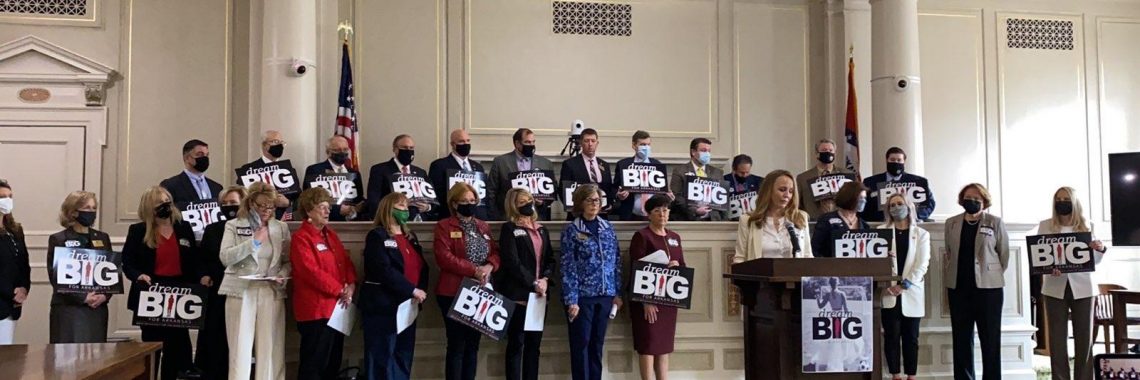
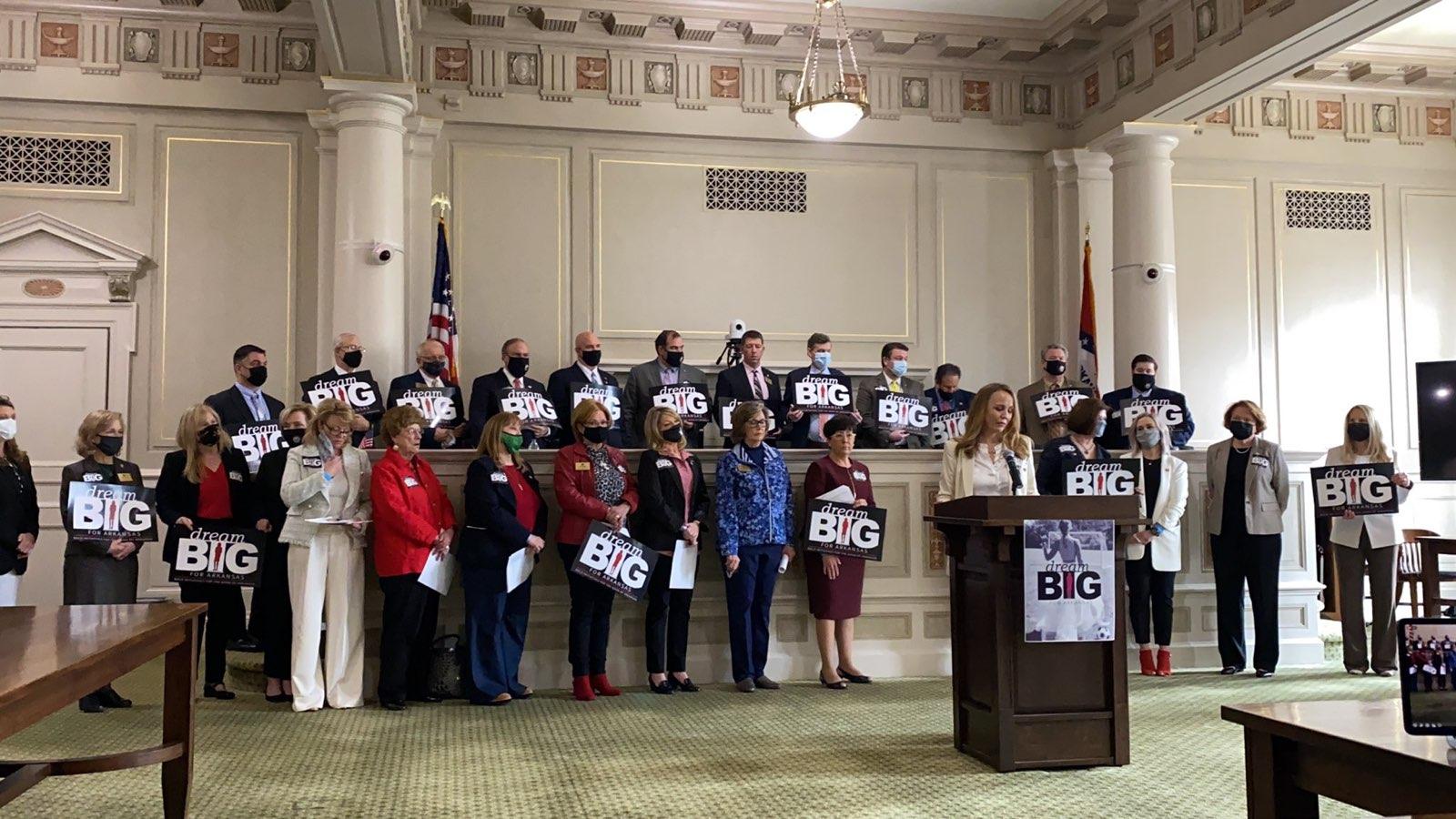
Above: Supporters of Arkansas’ 2021 SAFE Act protecting children from sex-reassignment testify in the House Public Health Committee. The SAFE Act passed with strong support in the Arkansas Legislature and was upheld in federal court last year.

A recent medical study out of Finland shows adolescents subjected to sex-reassignment face much higher risk of mental illness.

Over the past 20 years, the number of children who identify as transgender has skyrocketed — especially among biological girls.

A set of studies released some years ago — sometimes called “the Dutch studies” — claimed children with gender dysphoria responded well to puberty blockers and cross-sex hormones, and that sex-reassignment helped improve their mental health.

Because of the Dutch studies, doctors and clinics in Europe and the U.S. started giving puberty blockers and cross-sex hormones to children who disagreed with their biological sex.

But since then, public health experts and policymakers in the U.S.the U.K.SwedenFinland, and other nations have found that science simply does not support these “gender transitions” for kids.

A new study published in Acta Paediatrica shows the kind of sex-reassignment that pro-LGBT activists have promoted for years actually makes adolescents’ mental health problems much worse.

The study examined nearly 2,100 individuals from 1996 to 2019. Researchers found:

  • Adolescents who underwent sex-reassignment were more likely to need psychiatric treatment in the years afterward.
  • Adolescents referred for sex-reassignment faced higher risks of mental illness.
  • Mental illness appeared to be particularly high among adolescents referred for sex-reassignment during the “recent surge in referrals.”

Unfortunately, this study’s findings are not surprising. Sex-reassignment drugs and surgeries carry serious risks — including infertility, sexual dysfunction, worse bone density, and cardiovascular problems.

Whistleblowers have come forward testifying about how they were rushed through gender transitions as children without understanding the procedures’ risks, consequences, or alternatives.

Today we know pro-LGBT activists and medical organizations have been citing each other’s work in a circular pattern, manufacturing a fake consensus about performing sex-change surgeries on kids.

In 2021, Arkansas’ lawmakers passed the Save Adolescents from Experimentation (SAFE) Act. This good law generally prohibits doctors from performing sex-change procedures on children or giving them puberty blockers and cross-sex hormones.

A federal court upheld the SAFE Act last year — meaning it is protecting children in Arkansas at this very moment.

Arkansas was the first state in America to enact a law like the SAFE Act, but since 2021 lawmakers in more than half the country have passed similar legislation.

Medical research has shown time and again that Arkansas’ lawmakers were right to pass the SAFE Act. Arkansans can be proud that their state has done so much to protect children from these dangerous sex-change procedures.

Articles appearing on this website are written with the aid of Family Council’s researchers and writers.
These Two U.S. Supreme Court Cases Could Affect Arkansas Law

Between now and the end of June, the U.S. Supreme Court will issue decisions in two court cases that could affect whether states like Arkansas are free to preserve fairness in women’s athletic programs.

Over the past ten years, female swimmerspowerlifterscyclistssprintersvolleyball players, and many others have seen their sports radically changed by men who claim to be women. In some sports, it can even be dangerous.

That’s why many states have enacted good laws clarifying that biological males who identify as female cannot compete in women’s athletic programs. Unfortunately, some of those laws have been challenged in court.

In 2020, Idaho passed the Fairness in Women’s Sports Act preventing male student-athletes from competing against girls in women’s athletics at school. The following year, West Virginia passed the Save Women’s Sports Act, which is very similar to Idaho’s law. The ACLU challenged both laws, and both lawsuits have been appealed to the U.S. Supreme Court.

The case concerning Idaho’s law is Little v. Hecox. In West Virginia, the case is West Virginia v. B.P.J.

The U.S. Supreme Court heard oral arguments in both cases on January 13 of this year, and the Court could issue final decisions in the cases sometime between now and June 26.

The Supreme Court’s decision in these cases could affect laws protecting fairness in women’s sports nationwide — including Arkansas.

In 2021, Arkansas passed Act 461 by Sen. Missy Irvin (R — Mountain View) and Rep. Sonia Barker (R — Smackover) preventing male student-athletes from competing against girls in women’s athletics at school. Family Council was pleased to support Act 461 at the state legislature.

Act 461 has not been challenged in court — meaning the law is in full effect, protecting fairness in women’s sports in Arkansas.

However, the U.S. Supreme Court’s decisions in Little v. Hecox and West Virginia v. B.P.J. could affect Act 461 and laws like it across the country. That’s why Family Council joined dozens of state policy organizations and more than 200 state legislators in an amicus brief in the Idaho case last September. The amicus brief highlights the opportunities that women’s athletics offer to students, and it urges the Supreme Court to uphold the law and protect women’s sports.

Most Americans agree that athletes should compete according to their biological sex — not their gender identity. We believe the U.S. Supreme Court ultimately will uphold fairness in women’s sports in Idaho, West Virginia, and the rest of the country.

Articles appearing on this website are written with the aid of Family Council’s researchers and writers.

This Supreme Court Ruling Has Major Implications for Free Speech

In a monumental decision last week, the U.S. Supreme Court affirmed that counseling conversations are speech and that states cannot silence viewpoints in the counseling room.

In 2019, Colorado enacted a law prohibiting licensed counselors from engaging in “conversion therapy.” Under that law, counselors are free to engage in pro-LGBT counseling, but they cannot help people who want to overcome their same-sex attraction or gender confusion.

But last week the Court delivered an 8-1 opinion saying that Colorado’s law against so-called “conversion therapy” violates the First Amendment.

Our friends at Alliance Defending Freedom helped litigate the case. In a statement, ADF said:

Kaley Chiles is a licensed professional counselor in Colorado who seeks to listen, guide, and help young people find peace in their own bodies. With their parents’ support, these clients come to her by choice—seeking honest, compassionate care.

But a Colorado law passed in 2019 forbids her from helping kids find peace in their own bodies, even when that’s exactly what they want. If she does, she faces crushing fines and the potential loss of her license.

Colorado’s counseling censorship law violates Kaley’s freedom of speech and that of her clients by censoring and prohibiting certain private client-counselor conversations regarding gender identity that the government disfavors while allowing—even encouraging—conversations the government favors.

This is clear, viewpoint-based censorship.

In a video interview with Family Research Council’s Tony Perkins, ADF senior counsel Jake Warner said, “Colorado has been no respecter of the First Amendment. ADF has litigated multiple cases, including up to the U.S. Supreme Court against the state of Colorado in its effort to censor ideas that it disagrees with.”

Warner also said the ruling helps protect counselors not only in Colorado, but in at least 23 other states and over 100 local jurisdictions around the country that have enacted similar bans on “conversion therapy.”

Many people want counselors to help them overcome unwanted same-sex attraction or gender dysphoria, and many medical experts — like the American College of Pediatricians and the HHS — believe that encouraging a child to disagree with his or her biological sex is harmful.

In Arkansas, multiple “conversion therapy” bans have been filed at the Capitol over the years, but none have passed. The U.S. Supreme Court’s decision in this case shows that Arkansas’ lawmakers were right not to enact these flawed measures.

Articles appearing on this website are written with the aid of Family Council’s researchers and writers.