
Federal Officials Announce Indictments in College Sports Betting Cases

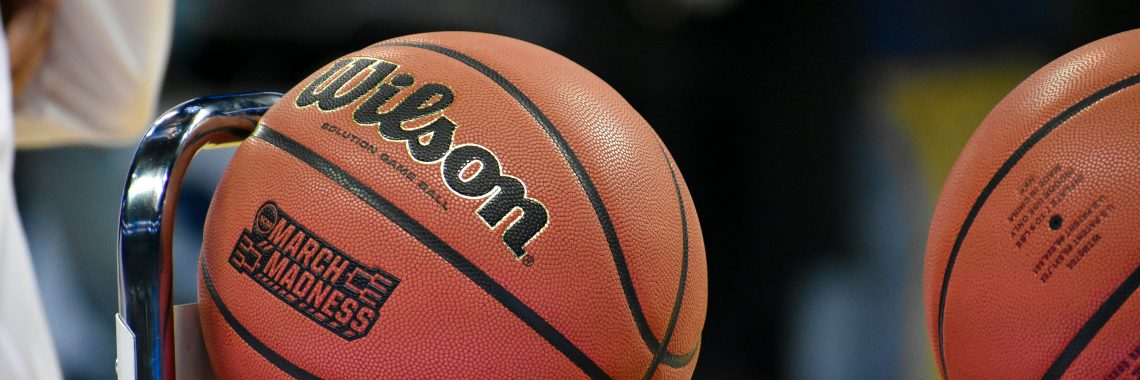
On January 15, the U.S. Department of Justice and the FBI announced indictments against 26 people in connection with an alleged bribery and point-shaving scheme to fix NCAA basketball games and Chinese Basketball Association games.

In a press release, the U.S. Attorney’s Office, Eastern District of Pennsylvania wrote:

As alleged in an indictment and other filings unsealed this morning, the scheme was led by “fixers” Jalen Smith, 30, of Charlotte, North Carolina; Marves Fairley, 40, of Carson, Mississippi; Shane Hennen, 40, of Las Vegas, Nevada, and Philadelphia, Pennsylvania; Antonio Blakeney, 29, of Kissimmee, Florida; Roderick Winkler, 31, of Little Rock, Arkansas; and Alberto Laureano, 24, of Bronx, New York. . . .

As alleged, during the 2023-2024 and 2024-2025 NCAA men’s basketball seasons, the fixers, including defendants Smith, Fairley, Hennen, Winkler, Laureano, and Blakeney agreed to recruit NCAA players who would help ensure that their team failed to cover the spread of the first half of a game or an entire game. The fixers would then place wagers on those games, betting against the team whose player or players they had bribed to engage in this point-shaving scheme.

Defendants Smith, Fairley, Hennen, Winkler, Laureano, and Blakeney approached and communicated with NCAA basketball players, in person and through social media, text message communications, and cellular telephone calls, the indictment alleges, with the fixers offering the players bribe payments, usually ranging from $10,000 to $30,000 per game, to participate in the scheme.

The indictment alleges that the fixers specifically targeted college players for whom the bribe payments would meaningfully supplement, or exceed, the student-athletes’ legitimate opportunities for “Name-Image-Likeness” compensation. The fixers also generally targeted for their scheme players on teams that were underdogs in games and sought to have them fail to cover the spreads in those games. Many of these players accepted the offers and agreed to help fix specific games so that the fixers would win their wagers.

Over the past year, the NCAA Committee on Infractions has uncovered a troubling pattern of sports betting violations involving student-athletes and staff members at different universities.

For example, at San Francisco, a basketball player provided inside information to a player at a different school who was betting on his performance through daily fantasy platforms.

Temple University’s men’s basketball program saw three separate gambling violations from 2022 to 2024.

It’s now almost routine for the NCAA to announce player suspensions for students-athletes who colluded to bet on one another. Basketball players may scheme to help each other win bets by, for example, missing free throws or scoring fewer points than expected in some games.

A recent NCAA study found that 36% of Division I men’s basketball players reported harassment from bettors on social media. When gamblers miss their bets, they often blame the athletes. Besides the NCAA, recent news stories show that Major League Baseballthe NFLthe NBA,, and other sports leagues have all dealt with serious corruption in the wake of sports betting’s legalization.

Studies indicate people who gamble on sports may be twice as likely to suffer from gambling problems.

Young men are particularly affected by sports gambling. Twenty-year-old males account for approximately 40% of calls to gambling addiction hotlines, and upwards of 20 million men are in debt or have been in debt as a result of sports betting.

And research now shows that the legalization of sports betting may be linked to serious financial problems in America — such as credit card debt, overdrafts, late payments on loans, lower credit scores, and higher bankruptcy rates. That hurts more than just the gamblers who wager on sporting events. It hurts their families and their communities.

Sports betting is not a harmless pastime. As powerful corporations try to make gambling part of everyday life, it’s important for Arkansas to protect citizens and families from predatory gambling. Otherwise, problem gambling will simply hurt more and more people in our state. Family Council is calling on all Arkansans to do what they can to stand up against predatory sports betting.

Articles appearing on this website are written with the aid of Family Council’s researchers and writers.


Sports Betting Scandals Continue to Corrupt College Athletics

Recent NCAA investigations reveal how sports betting is threatening the integrity of college athletic programs across the nation.

The NCAA Committee on Infractions has uncovered a troubling pattern of sports betting violations involving student-athletes and staff members at multiple universities.

For example, at San Francisco, a basketball player provided inside information to a player at a different school who was betting on his performance through daily fantasy platforms.

Temple University’s men’s basketball program saw three separate gambling violations from 2022 to 2024.

A recent NCAA study found that 36% of Division I men’s basketball players reported harassment from bettors on social media.

Nearly one-third said they had interacted with students who bet on their games.

Former Butler player Pierre Brooks II described the harassment as commonplace: “If people don’t meet their over or under, they always [direct message] me. It’s actually pretty common.”

The NCAA says it has opened investigations into approximately 30 current or former men’s basketball players for sports betting violations. Twelve have already been permanently banned from competition.

Examples like these show how sports betting has undermined athletic programs across the nation.

Sports betting is now legal in 39 states — including Arkansas — and it has hurt individuals and families.

Besides the NCAA, recent news stories show that Major League Baseballthe NFLthe NBA, and other sports leagues have all dealt with serious corruption in the wake of sports betting’s legalization.

Arkansans wager more than a million dollars a day, on average. In 2024, the Arkansas Problem Gambling Council announced it had seen a 22% increase in calls for help with problem gambling — driven largely by sports betting.

Studies indicate people who gamble on sports may be twice as likely to suffer from gambling problems.

Young men are particularly hurt by sports gambling. Twenty-year-old males account for approximately 40% of calls to gambling addiction hotlines, and upwards of 20 million men are in debt or have been in debt as a result of sports betting.

And research now shows that the legalization of sports betting may be linked to serious financial problems in America — such as credit card debt, overdrafts, late payments on loans, lower credit scores, and higher bankruptcy rates.

As powerful corporations try to make gambling part of everyday life, it’s important for Arkansas to protect citizens and families from predatory gambling. Otherwise, gambling addiction will simply continue hurting innocent people in our state.

Articles appearing on this website are written with the aid of Family Council’s researchers and writers.

Guest Column: Is Sports Betting Okay?

Last month, the National Basketball Association was rocked by the arrests of players and coaches resulting from an FBI probe into sports gambling. The charges ranged from mafia-linked poker games to rigging basketball games, and more indictments are expected. This month, two Major League Baseball pitchers were arrested in connection with a pitch rigging scheme, also tied to sports betting.  

ESPN’s Michael Wilbon was dismissive, saying, “I don’t care.” But then, he put his finger on why the problem is so serious: “At the highest levels of the pyramid in this country, of this culture, everybody’s betting now.” Sports has long been plagued by gambling scandals, but today, sports gambling has been normalized and is pervasive in homes, high schools, and locker rooms across America.  

A recent video in the What Would You Say? series discussed sports gambling and why it is such a big deal:

Betting on sports is nothing new, but since a 2018 Supreme Court case struck down a federal ban and paved the way for 38 states along with Washington, D.C., to allow sports gambling, it has exploded in popularity. So far, this national experiment has been a disaster for individuals and families. 

The next time someone says, “Sports gambling is harmless fun. It shouldn’t be regulated,” remember these three things: 

First, sports gambling is addictive and destroys lives. During the 2024 NFL season, $34 billion in bets were placed. That’s a third more than the prior year, and 100% more than six years ago, when sports gambling was re-legalized. During that time frame, sportsbooks have raked in over $300 billion. All that money isn’t coming from winners. 

Most modern sports gambling is done through smartphone-based apps. Studies show that gambling on apps is even harder to stop than casino or other forms of gambling, and it attracts people to gamble who may have never otherwise tried it. Phone-based apps activate the same reward centers in the brain as drugs and alcohol, and are always available in users’ pockets, ready and waiting every time a game is on. Long gone are the days when fans had to visit seedy parts of town to place their bets. Now, eye-catching apps with flashy ads are never more than a tap away. 

This increased access to betting has caused what one writer at The Atlantic described as “a wave of financial and familial misery,” which falls most on households least able to afford it. For every dollar spent on betting, household investing falls by an average of $2. In fact, since sports gambling was re-legalized, there has also been a notable increase in over-drafted bank accounts, maxed out credit cards, and debt delinquency. Sports gambling increases the likelihood that a family will go bankrupt by 25% to 30%. If it’s true that “the house always wins,” more households than ever are losing. 

Second, sports gambling victimizes the innocent. One of the primary arguments for legalizing this kind of gambling is that it doesn’t harm anyone. So, why should the government tell people what they can do with their money? However, money problems and addiction are plagues on households, and sports gambling brings home the worst of both things. In the process, other social pathologies are made worse. 

Research has found that an unexpected loss for an NFL team now correlates with a 10% spike in male domestic abuse. States with legalized sports gambling have seen an estimated 9% increase in violence against intimate partners. In other words, men who gamble on sports don’t just lose money. They lose their self-restraint and hurt innocent victims. 

Sports gambling brings harm to those who don’t participate in it by causing financial ruin and fueling domestic violence. As one writer put it, this booming industry’s cost shouldn’t be measured in only dollars and cents. It should be measured in human lives, especially women and children who are dragged against their will into this destructive and addictive behavior. 

Third, sports gambling corrupts sports. People play and watch sports for the athletic competition and team spirit. However, when gambling is introduced, athletes are incentivized to change or even degrade the way they play. Officials are tempted to cheat, and fans forget why they enjoyed a sport in the first place, focusing instead on financial gain. 

Just last year, tennis players, Olympic competitors, and NBA referees were all caught fixing games and matches. In 2023, the NFL suspended five players for gambling-related violations, and one analysis found a 250% year-over-year increase in suspicious basketball matches. Far from improving sports, gambling has undermined trust, integrity, and all the other reasons athletes step onto the court or field. This will only get worse as sports gambling invades more franchises and fan bases. 

The preoccupation with quick cash introduces another game, one that has nothing to do with athletics and everything to do with what the Bible calls “the love of money.” Paul said that the love of money is “the root of all evil.” The way that sports gambling has poisoned sports, addicted users, and wrecked households proves Paul was right. This national experiment with sports gambling has failed, and it’s time to end it. There’s nothing harmless about playing with people’s lives. 

So, the next time someone says, “Sports gambling is harmless fun. It shouldn’t be regulated,” remember these three things: Sports gambling is addictive and destroys lives; sports gambling victimizes the innocent; sports gambling corrupts sports. 

To see and share this video, visit the What Would You Say? channel on YouTube. You’ll also find dozens of other helpful videos on a variety of difficult topics.

Copyright 2025 by the Colson Center for Christian Worldview. Reprinted from BreakPoint.org with permission.