From Celebrating a Pro-Life Milestone to Protecting Kids Online, Here are the Week’s Top Stories:

This image has an empty alt attribute; its file name is weekly-rewind-banner-corrected-1024x165.png

Here’s a quick recap of the week’s top stories from Family Council and our friends:

From Family Council

Here are Two Ways to Help Oppose Chemical Abortion in Arkansas. Family Council is encouraging everyone to take two simple steps to help oppose chemical abortion drugs in Arkansas. The first is to send a message asking Congress to support the Safeguarding Women from Chemical Abortion Act. The second is to ask the federal government to stop letting abortionists deliver abortion drugs through the mail. Keep Reading.

Arkansas Supreme Court Dismisses Lawsuit from Ballot Measure Campaign. On Wednesday, the Arkansas Supreme Court dismissed a lawsuit from Protect AR Rights, the group backing the Arkansas Ballot Measure Rights Amendment. The decision means the measure will not appear on the ballot. Keep Reading.

Pro-Life Efforts in Arkansas Hit a Milestone. Back in 2021, I received a call from someone in eastern Arkansas who felt called to do something impactful in her community. Keep Reading.

New Lawsuit Filed to Block Assisted Suicide in Illinois. On December 12, Illinois Governor J.B. Pritzker signed legislation letting healthcare providers help terminally ill patients end their lives. The law is slated to take effect next month, but a new lawsuit is asking the federal courts to block the law. Keep Reading.

Speaker Johnson Warns About the Threat Socialism and Communism Pose to Americans. Recently, Family Research Council’s Tony Perkins sat down with House Speaker Mike Johnson to discuss some of the issues facing our nation. Among them was the rise of socialism and socialist candidates as well as the threat that socialist ideology poses to everyday Americans. Keep Reading.

California Shows Legalizing Marijuana Does Not Stop the Black Market. Marijuana has been legalized to varying degrees under different state laws, and the Trump Administration has eased federal restrictions on the drug. But instead of weakening drug cartels or decreasing crime, legalization has created new problems for law enforcement. Keep Reading.

Colorado Says No to “Bet Now, Pay Later.” Arkansas Should Too. As of last week, Colorado gamblers can no longer use credit cards to fund sports betting apps, and they are limited to six deposits per day. The new rules come from a bipartisan bill passed in May after lawmakers grew alarmed by rising addiction rates — especially among young men and boys. Keep Reading.

Gambling’s Toll on College Students. Gambling has exploded in recent years, and studies show more than half of men ages 18-49 now have an active sportsbook account online. But experts are also questioning what this type of gambling may do to our society. Keep Reading.

Facebook Owner Faces Avalanche of Lawsuits for Allegedly Harming Kids. The U.S. Surgeon General says 95% of American teenagers use social media, and about one-third use it “almost constantly.” But federal lawsuits have raised concerns about the harm that Big Tech can do to kids. Keep Reading.

In Louisiana, Ten Commandments Go Back to School. KSLA reports some Louisiana schools began displaying the Ten Commandments during the past school year while others plan to begin displaying them this year. Keep Reading.

From Our Friends

Update: Baby Gabriel Survives First Heart Surgery; Biological Parents Sue Surrogate. From Daily Citizen.

Forced Abortion in America is Rising and Abortion Pills are the Weapons. From LifeNews.

Inoculating Your Children from Socialism. From Breakpoint.

Articles appearing on this website are written with the aid of Family Council’s researchers and writers.
Arkansas Supreme Court Dismisses Lawsuit from Ballot Measure Campaign

On Wednesday, the Arkansas Supreme Court dismissed a lawsuit from Protect AR Rights, the group backing the Arkansas Ballot Measure Rights Amendment.

Protect AR Rights sued Arkansas Secretary of State Cole Jester earlier this month after his office announced the group failed to submit enough petition signatures to place the amendment on the November ballot. In his decision, the Secretary of State cited examples of “potential signature forgery” and other shortcomings on the measure’s petitions.

The lawsuit from Protect AR Rights called Secretary Jester’s signature count “unlawful and unsupported.” It asked the Arkansas Supreme Court to force Secretary Jester to begin verifying signatures and “order a preliminary certification” of the amendment while the group worked to correct any deficiencies with its petitions.

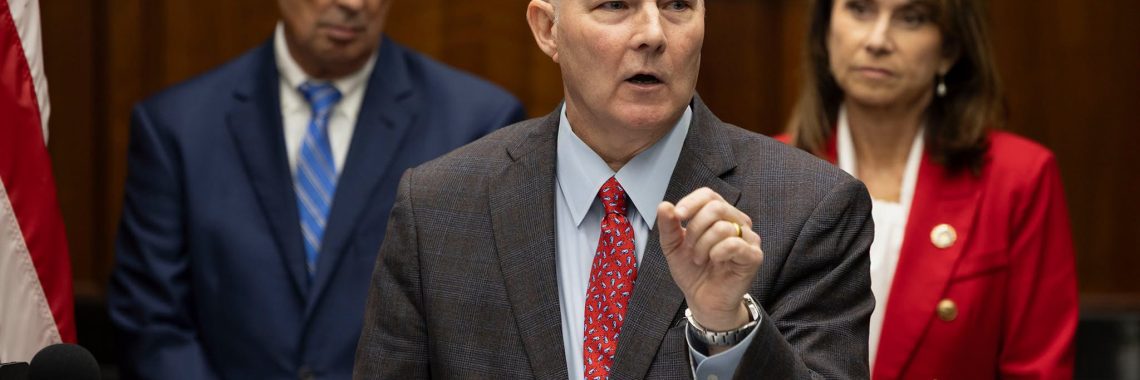
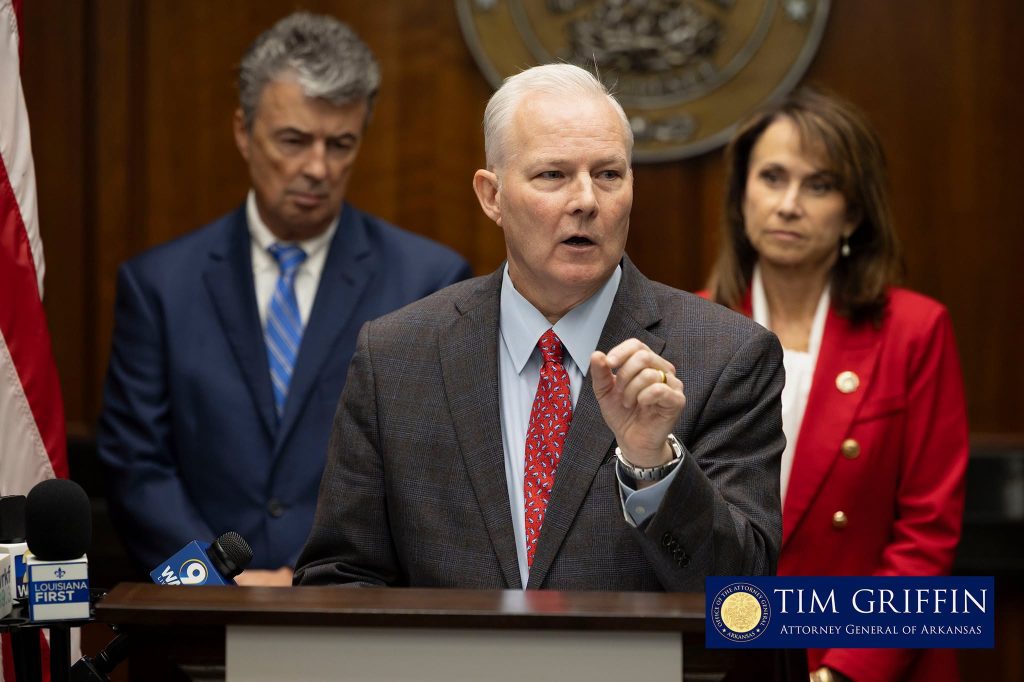
Arkansas Attorney General Tim Griffin defended Secretary Jester’s decision in the lawsuit over the Arkansas Ballot Measure Rights Amendment. On Wednesday, the Arkansas Supreme Court dismissed the lawsuit, meaning the Secretary of State’s decision will stand.

The Arkansas Constitution lets canvassers circulate petitions to place measures on a general election ballot. Its original intent was to give citizens a way to function as a “legislative body.” But instead of giving everyday people a way to enact their own laws, special interests have hired people to circulate petitions to place misleading, deceptive, and poorly written measures on the ballot in Arkansas.

Last year, Arkansans testified in legislative committees about petition canvassers allegedly trying to provoke altercations and encouraging people to sign petitions multiple times.

In response, the Arkansas Legislature has passed several good laws intended to address petition fraud and other problems with the initiative process, but those laws have been tied up in court.

The Arkansas Ballot Measure Rights Amendment would have amended the Arkansas Constitution to keep the ballot initiative process wide open and prevent the legislature from enacting safeguards against petition fraud and other offenses.

Most of the ballot measure’s financial support appears to have come from out of state.

Ethics filings show the National Education Association in Washington, D.C., donated nearly $1.4 million to the campaign for the Arkansas Ballot Measure Rights Amendment this year. The National Education Association is the largest teachers union in the United States.

Another $250,000 came from The Fairness Project in Washington, D.C. According to its website, the Fairness Project has opposed pro-life efforts in Missouri and supported a pro-abortion measure in Virginia.

Articles appearing on this website are written with the aid of Family Council’s researchers and writers.

Here are Two Ways to Help Oppose Chemical Abortion in Arkansas

Family Council is encouraging everyone to take two simple steps to help oppose chemical abortion drugs in Arkansas.

The first is to send a message asking Congress to support the Safeguarding Women from Chemical Abortion Act.

The second is to ask the federal government to stop letting abortionists deliver abortion drugs through the mail.

Here is a little more information:

In 2022, the U.S. Supreme Court overturned Roe v. Wade. As a result, abortion is prohibited in Arkansas except to save the life of the mother, and it is against the law to mail abortion drugs into the state.

But under President Biden, the U.S. Food and Drug Administration adopted rules that let abortionists send abortion drugs like mifepristone through the mail.

During that time, pro-abortion states also enacted “shield laws” to prevent abortionists from being held accountable when they mail abortion drugs into states like Arkansas.

To make matters worse, the U.S. Department of Justice has also opposed federal lawsuits from pro-lifers who want to stop mail-order abortion in their states.

All of this has created a dangerous industry of abortion-by-mail both in Arkansas and across the nation.

The Safeguarding Women from Chemical Abortion Act by Senator Josh Hawley (MO) and Representative Diana Harshbarger (TN) would withdraw the FDA’s approval of mifepristone. This would remove the abortion drug from the market nationwide.

The bill would also provide a private right of action letting women sue the drug’s manufacturers if they are harmed by the abortion drug.

You can ask your congressmen and senators to co-sponsor the Safeguarding Women from Chemical Abortion Act by clicking here.

Passing and enforcing the Safeguarding Women from Chemical Abortion Act could take several months. That’s why we are also asking Arkansans to contact their leaders in Washington, D.C., and urge them to reverse the federal government’s policy that permits mail-order abortion.

Pro-lifers can ask Congress and the Trump Administration to reverse the FDA’s mail-order abortion policy by visiting abortioncrimebymail.com today.

Abortion drugs like mifepristone are dangerous. These drugs hurt women, and they kill unborn children.

Research from the Ethics and Public Policy Center shows 11% of women experience serious health complications from abortion pills — including sepsis, infection, and life-threatening hemorrhage.

These drugs should not be available at all — much less through the mail without an in-person visit with a doctor.

Our federal government needs to recognize how serious this issue is and take immediate steps to protect Americans from these abortion drugs. That is why we hope all Arkansans will contact their leaders today. Ask them to support the Safeguarding Women from Chemical Abortion Act and reverse the FDA’s mail-order abortion policy.

Articles appearing on this website are written with the aid of Family Council’s researchers and writers.