
New Poll Shows Young Men Are Growing More Religious

A new survey shows young men in America are becoming more religious and are now more likely than young women to say religion is “very important” in their lives.

Gallup’s latest polling data shows 42% of men aged 18 to 29 say religion is very important to them — up sharply from just 28% in 2022-2023. Young women held steady at around 29-30% during the same timeframe.

Young men also now match young women in church attendance, with 40% of young men reporting they attend services at least monthly.

Interestingly, Gallup’s data shows that the growth in church attendance is concentrated among Republicans.

Gallup writes,

Since 2022-2023, attendance has risen seven points among young Republican men, eight points among young Republican women and three points among young Democratic men. Only young Democratic women show little change.

Longer-term, however, attendance among young Republican men has been trending upward since 2018-2019, while young Democratic men’s attendance has generally declined. The recent increase in young Republican women’s attendance contrasts with no meaningful change among young Democratic women.

Gallup draws the odd conclusion from this that “political dynamics may be playing a role in religious changes among the nation’s young adults.” In other words, Gallup seems to suggest that becoming a “Republican” encourages people to go to church, but that’s probably not the case. Politics is downstream from culture, and people’s moral and religious convictions tend to guide their political opinions.

This is part of a broader trend we have been watching for a while now.

We have written before about the “quiet revival” taking place among young adults in America and abroad.

Bible sales have soared, young men and women are driving a resurgence in church attendance, and CBS News has reported on the large number of adults — particularly Gen Z — who have been baptized into the Christian faith in recent years.

It’s good to see more young men and women turning to Christ and engaging with church.

Of course, as we have said before, it isn’t enough simply to own a Bible or show up at church. The Bible is meant to be read, learned, and followed, and church congregations help believers live out their faith in daily life. Being part of a local community of believers is an important part of discipleship. Church isn’t optional for Christians. It’s essential.

These numbers are a reminder of why that matters — and an encouragement to keep investing in the next generation of believers.

Hopefully this “quiet revival” is one that will continue to spread.

Articles appearing on this website are written with the aid of Family Council’s researchers and writers.

S.R. 16 Fails in Arkansas Senate

On Tuesday, the second of two bad homeschool Educational Freedom Account measures at the Arkansas Capitol failed.

Lawmakers created the Educational Freedom Account (EFA) program in 2023 making it possible for Arkansas students to use public funds to pay for an education at a public or private school or at home. Thousands of students have taken advantage of school choice in Arkansas under this program.

But this year, lawmakers filed H.R. 1008 and S.R. 16 reducing EFA funding for homeschoolers and imposing new restrictions under the EFA program.

These proposed laws are homeschool control measures dressed up as accountability measures. They turn educational freedom into a state compliance program.

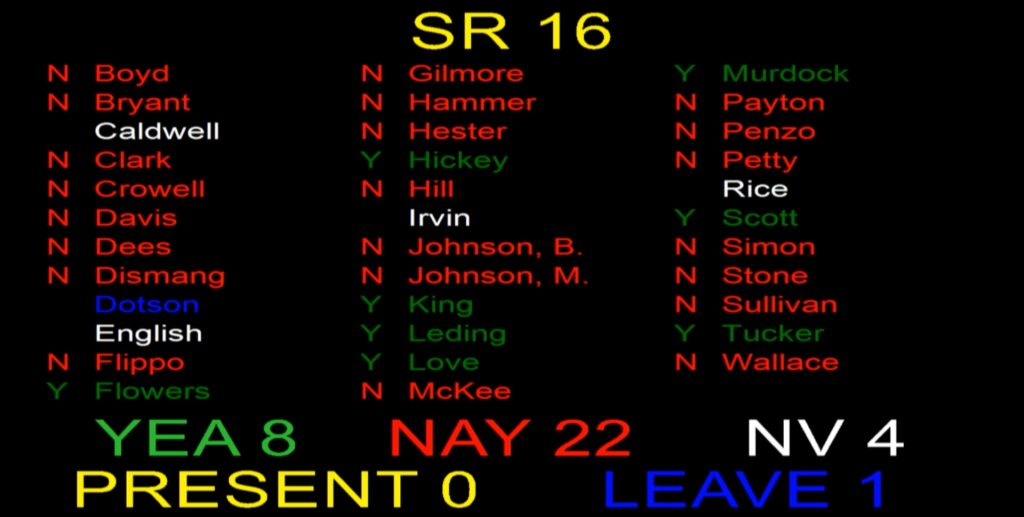
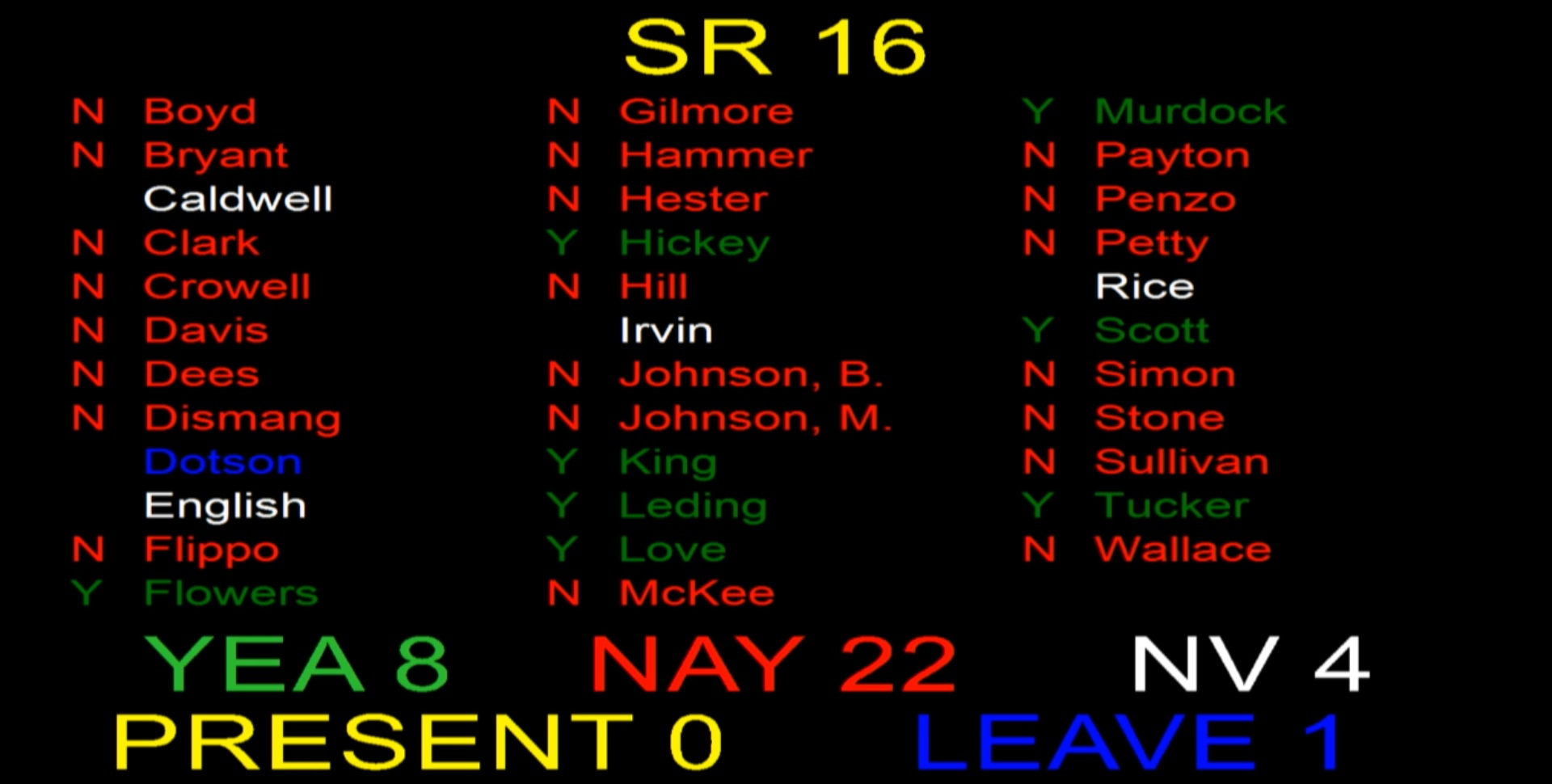
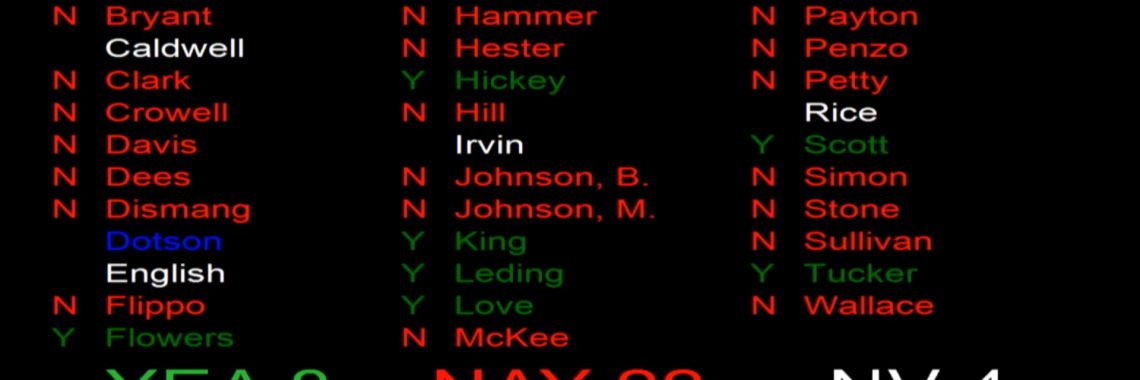
On Tuesday, S.R. 16 failed in the Arkansas Senate. H.R. 1008 previously failed in committee.

This is good news, but lawmakers are still expected to review new rules from the Department of Education governing EFA accounts at some point in the near future.

The rules would prohibit Educational Freedom Account spending on team sports that require tryouts or that limit participation based on ability. That means that a homeschool student who wants to play basketball for a local school could not pay for athletic expenses with EFA money even though public schools pay for team sports with state money.

Arkansas law clearly caps extracurricular spending at 25% of a student’s total EFA funding, which means no more than one-fourth of a student’s EFA money can go toward team sports and extracurricular activities. The new rules go farther by prohibiting all spending on team sports that require tryouts.

Family Council and the Education Alliance are still urging homeschoolers to contact their lawmakers and ask them to oppose the new EFA rules from the Arkansas Department of Education.

You can call 501-682-2902 to leave a message asking your state senator to oppose these rules.

You can call 501-682-6211 to leave a message asking your state representative to oppose these rules.

The Following Senators Voted FOR S.R. 16

  • S. Flowers
  • Hickey
  • B. King
  • G. Leding
  • F. Love
  • R. Murdock
  • J. Scott
  • C. Tucker

The Following Senators Voted AGAINST S.R. 16

  • J. Boyd
  • J. Bryant
  • A. Clark
  • Crowell
  • B. Davis
  • Dees
  • J. Dismang
  • Flippo
  • Gilmore
  • K. Hammer
  • Hester
  • Hill
  • B. Johnson
  • M. Johnson
  • M. McKee
  • J. Payton
  • C. Penzo
  • J. Petty
  • Simon
  • Stone
  • D. Sullivan
  • D. Wallace

The Following Senators Did Not Vote

  • Caldwell
  • J. English
  • Irvin
  • Rice

The Following Senator Was Excused from Voting

  • J. Dotson

Articles appearing on this website are written with the aid of Family Council’s researchers and writers.