Preteen Social Media Use Tied to Lower Scores in Reading, Memory: New Study

A new study shows social media use among children is tied to lower test scores in reading and memory.

Researchers writing in JAMA analyzed data from 6,554 adolescents. While researchers noted the study was limited, they pointed out, “The finding that even low levels of early adolescent social media exposure were linked to poorer cognitive performance may suggest support for stricter age restrictions.”

A growing body of evidence shows that — by design — social media platforms are not appropriate for children.

TikTok has been accused of serving kids a steady “diet of darkness” online and struggling to protect private user data from entities in China, such as the Chinese Communist Party.

Facebook and Instagram have been accused of using algorithms intentionally designed “to exploit human psychology and foster addiction to maximize users’ screen time.”

That’s why Arkansas lawmakers have taken steps to protect kids online. The 2023 Social Media Safety Act by Sen. Tyler Dees (R – Siloam Springs) and Rep. Jon Eubanks (R – Paris) is a good law that requires major social media companies to make sure minors don’t access social media platforms without parental consent. A social media company that violated the law could be held liable.

The law received strong support at the legislature, but tech giants — such as Facebook, Instagram, Twitter, and TikTok — sued to strike down the Social Media Safety Act as unconstitutional. The Arkansas Attorney General is currently defending the law in court.

As we keep saying, social media is more than just websites or phone apps. These are multibillion dollar businesses with tremendous influence.

The adults who run these businesses have a responsibility to protect children on their platforms.

Articles appearing on this website are written with the aid of Family Council’s researchers and writers.


High Stakes, Higher Costs: The Toll of Sports Betting

Sports betting is now legal in 39 states — including Arkansas, where people wager more than a million dollars a day, on average.

Sports betting often relies on mobile gambling, which is closely associated with problem gambling. Experts now warn that gambling addiction has surged in the wake of sports betting’s legalization.

Below are a few of the ways sports betting — and the gambling problems tied to it — takes a toll on individuals, families, and communities.

The Financial Toll

Sports betting and internet gambling are connected to serious financial problems — including deep debt, missed bills, and bankruptcy.

Mobile sports betting makes it possible for people to place bets during sporting events from practically anywhere. The average sports betting addict using mobile apps accumulates nearly $28,000 in gambling-related debt before seeking help.

These financial strains affect more than just individuals. They hurt families and communities as a whole.

The Mental and Emotional Toll

Sports betting is linked to anxiety, depression, and other mental health problems — especially among teens and young adults. Twenty-year-old males account for approximately 40% of calls to gambling addiction hotlines.

One in four sports bettors worry that they cannot control their gambling.

Research also shows that individuals with gambling disorders experience impaired decision-making and impulsivity — all of which contribute to poor mental health.

The Toll on Athletic Programs

Sports betting undermines the integrity of sports. The NCAA has wrestled with gambling scandals since sports betting’s legalization. Major League Baseball, the NFL, the NBA, and other sports leagues have as well.

The Toll on Families

All of this takes a toll on families.

Sports betting and problem gambling place serious strains on families and have been linked to increased risk of divorce and domestic violence.

Conclusion

Legalized gambling has become a blight in Arkansas. Tax revenue from casinos and sports betting has not improved Arkansas’ roads or boosted the economy. And unless Arkansas’ lawmakers and its people take a stand, gambling addiction is simply going to continue wrecking lives and hurting families in our state.

Articles appearing on this website are written with the aid of Family Council’s researchers and writers.
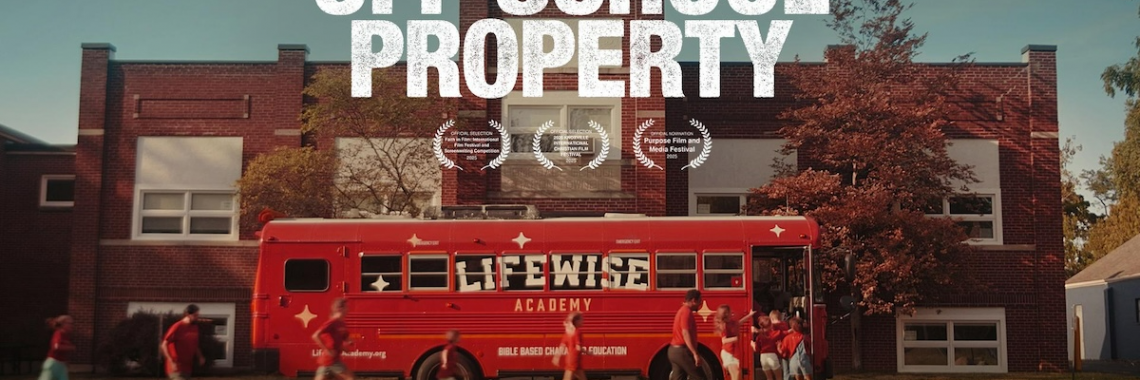
See How Bible Education is Changing Public School Students

The following is from our friends at LifeWise Academy about a new documentary in theaters next week.

Big news! A powerful new documentary, Off School Property, is coming to theaters nationwide on October 23. This one-night-only film is shining a light on a national movement that’s bringing Bible education to public school students—during the school day.

You’ll be inspired by the story of LifeWise Academy, a ministry equipping local communities to bring the gospel to students through a constitutional released time program.

You can experience this story in two ways:

  1. Attend a showing – Find a theater near you and secure your tickets at lifewise.org/offschoolproperty.
  2. Host a showing – Can’t find a theater near you? Use the Faith Content Network to bring the film to your community: faithcontentnetwork.com/movies-host/off-school-property

Don’t miss this encouraging story of faith, perseverance, and impact. See how God is moving in public schools across the nation. Together, we can spread the word about how students can study the Bible during the school day—legally and effectively.