A.G.’s From Out of State Oppose Arkansas’ Abortion Restrictions
On Friday Attorneys General from 18 states and the District of Columbia filed an amicus brief in the Eighth Circuit Court of Appeals opposing Arkansas’ decision to restrict surgical abortions during the COVID-19 pandemic.

Here’s a recap of the events leading up to this point:

On March 30, Arkansas’ public health officials issued guidelines telling all medical clinics to postpone elective procedures, but abortion providers did not comply.

On April 3, state officials issued a directive prohibiting elective surgical procedures. Again, abortionists kept performing surgical abortions.

On April 7, inspectors from the State of Arkansas found proof that elective surgical abortions were taking place despite the state’s directives and guidelines.

On Friday, April 10, Little Rock Family Planning Services — Arkansas’ only surgical abortion clinic — received a “cease and desist” letter and was told to stop performing surgical abortions or face penalties from the state.

Abortionists filed a legal challenge on Monday, April 13, and U.S. District Judge Kristine Baker issued a restraining order against the state the following day.

On April 15 Attorney General Leslie Rutledge’s office asked the Eighth Circuit Court of Appeals to overturn Judge Baker’s restraining order.

On April 17, attorneys general from 18 states filed an amicus brief in favor of the abortionists in Arkansas.

It’s important to point out that Arkansas’ health directives don’t shut down abortion facilities. Rather, they prohibit certain procedures.

The public health directives from the State of Arkansas prohibit elective surgical procedures during the COVID-19 pandemic — including elective surgical abortions.

Surgical abortion wastes valuable medical resources and encourages people to travel to Arkansas from other states for abortion.

That’s why the State of Arkansas has worked so hard to address elective surgical abortion.

The state A.G.’s opposing Arkansas’ surgical abortion restrictions in the amicus brief are:

  • New York
  • California
  • Colorado
  • Connecticut
  • Delaware
  • Hawai’i
  • Illinois
  • Maine
  • Massachusetts
  • Minnesota
  • Nevada
  • New Mexico
  • Oregon
  • Pennsylvania
  • Rhode Island
  • Vermont
  • Virginia
  • Washington
  • The District of Columbia

This is not the first time these states have interfered with Arkansas’ laws and policies concerning abortion.

The same state attorneys general also filed an amicus brief in a separate lawsuit over some of Arkansas’ pro-life laws earlier this year.

In 2018 many of these same states filed an amicus brief in a lawsuit over Arkansas’ pro-life laws that prohibit dismemberment abortion; require aborted babies to be respectfully buried or cremated; expand reporting requirements for abortions performed on underage girls; and require abortion clinics to request part of a woman’s medical history before performing some abortions.

As we keep saying, Arkansas Attorney General Leslie Rutledge is doing more to fight for the right to life than any state A.G. we know.

Her team has won some major victories in the Eighth Circuit, and we are confident that other victories lie ahead.
NY Governor: God Did Not Slow COVID-19 Infections

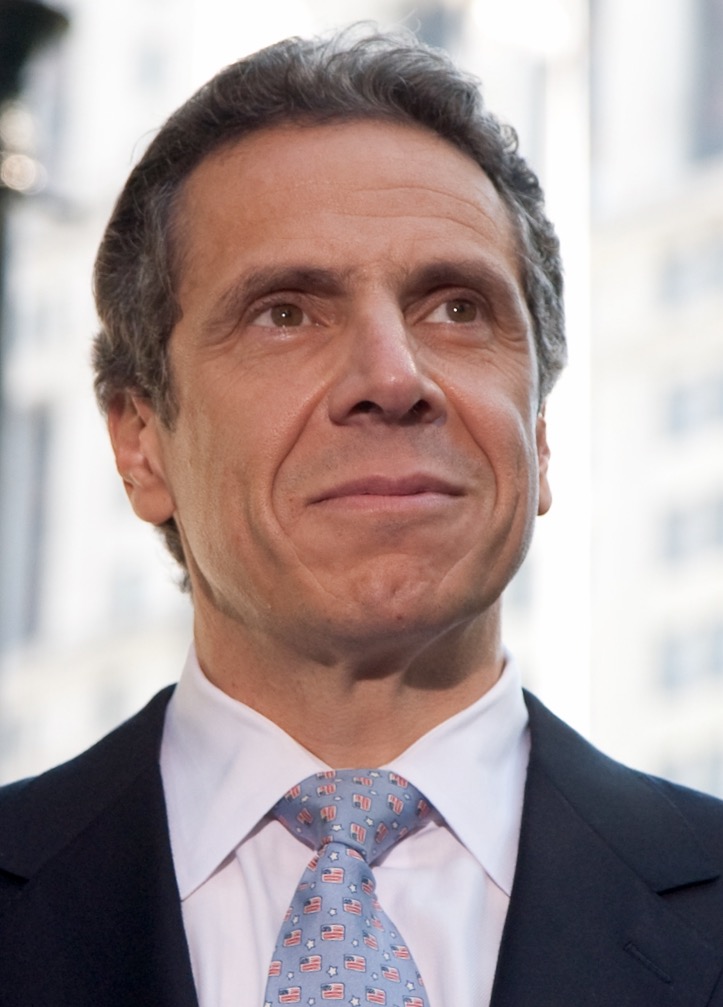
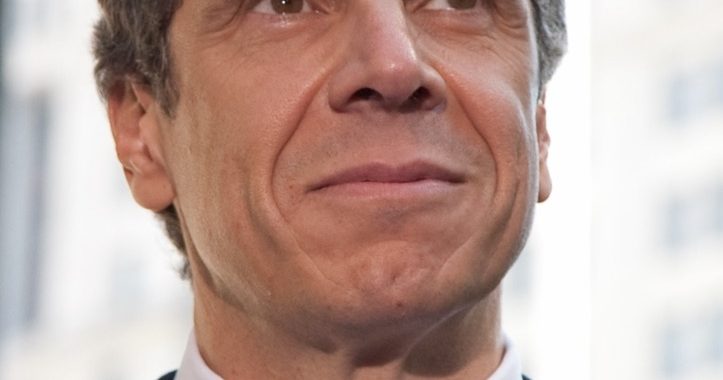
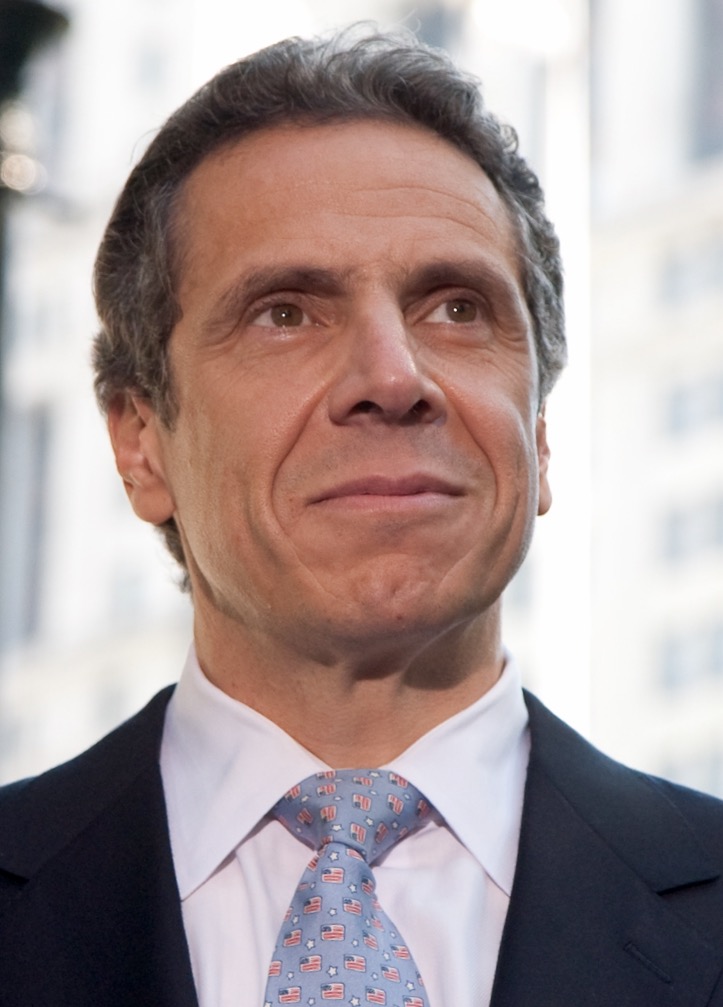
Last week, reporters asked New York Governor Andrew Cuomo why the COVID-19 infection rate was slowing in his state.

Strangely, he responded by openly saying that God had nothing to do with the deceleration in infections.

John Stonestreet at the Colson Center for Christian Worldview writes,

Governor Cuomo said: “The number is down because we brought the number down. God did not do that. Faith did not do that. Destiny did not do that. A lot of pain and suffering did that.” To be clear, he wasn’t asked about God or prayer, he just said it. . . .

Today, it’s more common for officials to just ignore God and any role He might play in our world.

But there’s a world of difference between leaving God unmentioned and outright denying He deserves any credit at all for anything, from miraculous intervention to strengthening medical professionals to acknowledging He gave some the minds to develop therapies and technologies.

America has a long tradition of turning to God in prayer during hardship and declaring days of thanksgiving after those hardships have passed.

In Arkansas, Governor Hutchinson declared a statewide day of prayer last month amid the coronavirus outbreak.

In light of all of that, it’s troubling to see the governor of one of America’s most prominent states — one where the coronavirus outbreak has been especially bad — openly deny that God has had anything to do whatsoever with a slow down in the virus infection rate.

Photo Credit: Andrew Cuomo by Pat Arnow.jpeg: Pat Arnowderivative work: UpstateNYer / CC BY-SA (https://creativecommons.org/licenses/by-sa/2.0)

Four Questions and Answers About Abortion in Arkansas Amid COVID-19

Over the past few days and weeks we have heard a lot of questions about abortion in Arkansas amid the coronavirus outbreak.

Here are a few questions and answers on the issue:

#1. Has Arkansas Shut Down Abortion Facilities?

Arkansas’ health directives don’t shut down specific facilities.

Rather, they prohibit certain procedures.

The public health directives from the State of Arkansas prohibit elective surgical procedures during the COVID-19 pandemic — including elective surgical abortions.

The State of Arkansas reportedly issued a cease and desist order against the surgical abortion facility in Little Rock, telling the facility to stop performing elective surgical abortions.

In response, the facility filed a legal challenge in federal court.

#2. Where Do Things Stand With the Lawsuit Against the State?

The surgical abortion facility in Little Rock filed a legal challenge against the state in federal court on Monday.

On Tuesday U.S. District Judge Kristine Baker issued a temporary restraining order against the State of Arkansas.

The temporary order prevents the state from enforcing its cease and desist order against the abortion facility for 14 days while the lawsuit continues.

The Attorney General’s office has asked the Eighth Circuit Court of Appeals to overturn Judge Baker’s restraining order.

Given the Eighth Circuit’s track record, there’s a very good possibility Arkansas ultimately will win this legal battle over abortion.

#3. Why Are Abortion Facilities in Arkansas Still Open?

Two reasons:

First, because U.S. District Judge Kristine Baker’s restraining order issued on Tuesday effectively allows surgical abortion in Arkansas to continue as usual for the time being.

Second, because the state’s health directives only affect elective surgical abortions.

That means that abortion facilities are still able to administer abortion-inducing drugs like RU-486.

It also means they can conduct other activities besides abortions at their facilities.

The fact that the directive is narrowly tailored to apply to surgical procedures could make it more defensible in court.

#4. Why Did the State Wait So Long to Do Something About Surgical Abortions?

The State actually did not wait to address abortion facilities. Public health officials have been working for a while to address this issue.

On March 30, Governor Hutchinson and Secretary of Health Dr. Nathaniel Smith issued guidelines telling all medical clinics to postpone elective procedures, but abortion providers did not comply.

On April 3, Governor Hutchinson and Secretary of Health Dr. Nathaniel Smith issued a directive, with the force of law, specifically naming abortion providers. Again, abortionists kept performing surgical abortions.

On April 7, inspectors from the State of Arkansas found proof that elective surgical abortions were taking place despite the state’s directives and guidelines.

On Friday, April 10, Little Rock Family Planning Services — Arkansas’ only surgical abortion clinic — received a “cease and desist” letter and was told to stop performing surgical abortions or face penalties from the state.

Abortionists filed a legal challenge on Monday, April 13, and U.S. District Judge Kristine Baker issued a restraining order against the state the following day.

On April 15 Attorney General Leslie Rutledge’s office asked the Eighth Circuit Court of Appeals to overturn Judge Baker’s restraining order.