State Library Board Advances Rules to Protect Children from Explicit Material

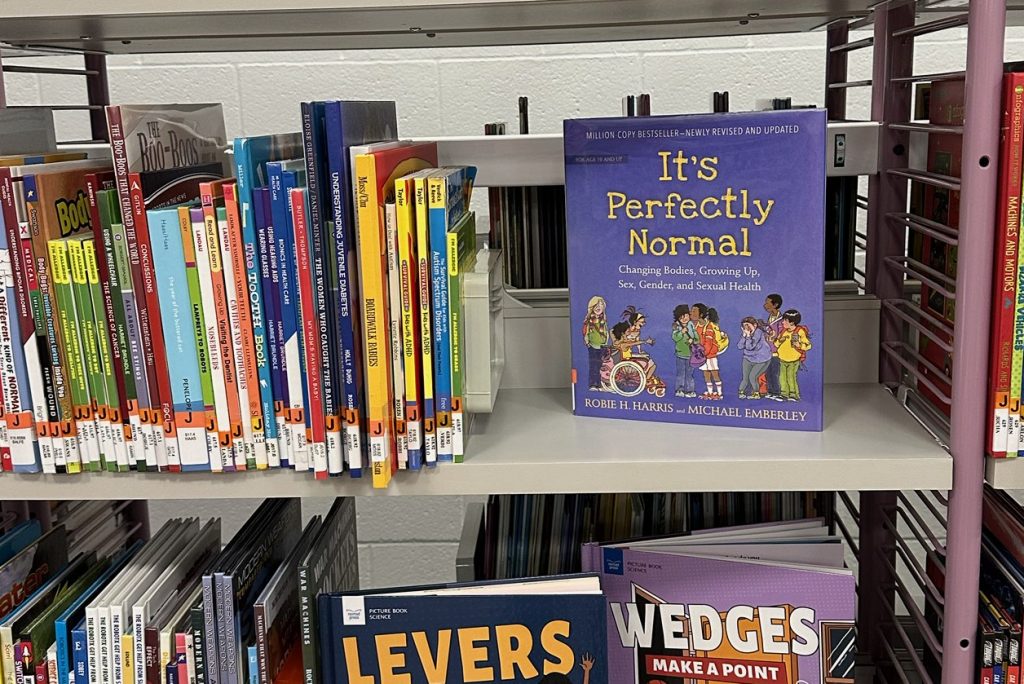
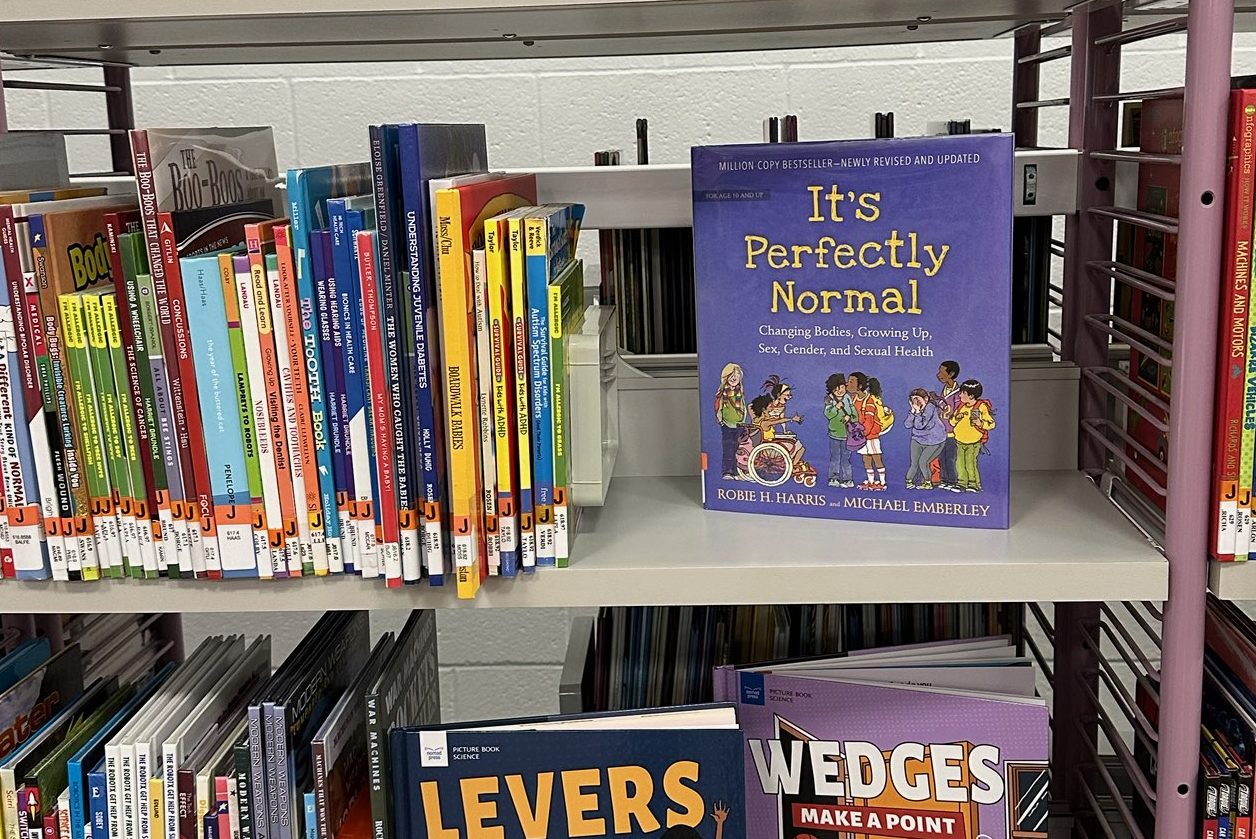
Above: The book It’s Perfectly Normal sits on display in the children’s section of the Craighead County Public Library in Jonesboro in this file photo from 2024. The book contains inappropriate illustrations depicting nudity and sexual activity.

Last week, the Arkansas State Library Board advanced a proposal to help protect children from sexually explicit material in public libraries.

Arkansas is home to many public libraries all across the state, and the library board helps oversee them. But in recent years, parents and policymakers alike have expressed serious concerns about obscene and explicit children’s books that some librarians have placed on the shelves of their local libraries.

At its May 8 meeting, the Arkansas Library Board unanimously approved a proposed set of rules requiring public libraries to ensure children under the age of 16 may not check out sexually explicit materials without parental consent.

Under the rules, libraries would also keep explicit material separate from other areas of the library, and could not knowingly advertise explicit material. Libraries that fail to abide by the rules may not receive state funding.

These proposed library rules are a step in the right direction, because too many libraries in Arkansas have made headlines for promoting sexually explicit material to young children.

For example, the Jonesboro public library has been at the center of multiple controversies over its decision to place books with sexually explicit images in its children’s section and for failing to adopt a policy that separates sexual material from children’s books.

The library even went so far as to post on Facebook that it isn’t the library’s responsibility to protect kids from obscenity.

The controversy in Jonesboro escalated to a point that voters finally decided to reduce the library’s millage in 2022.

Other public libraries in Arkansas have included explicit children’s books in their catalogs and failed to separate sexual material from children’s material as well. Some of these books actually contain explicit images of minors engaged in sexual acts.

Families should not have to worry about what their children might see in the children’s section of a library, and taxpayers should not be forced to subsidize library material that is explicit or obscene. These new rules from the State Library Board could help address those concerns.

Articles appearing on this website are written with the aid of Family Council’s researchers and writers.
LA Governor Signs Measure to Protect Kids Online

News outlets report Louisiana Governor Jeff Landry has signed the App Store Accountability Act into law. The measure requires online app stores to verify users’ ages, and it prevents minors from downloading apps or making in-app purchases without parental consent.

The law is similar to measures Arkansas has enacted over the years to protect children from harmful content online.

There is mounting evidence that — by design — social media platforms are not appropriate for children.

TikTok has long been under fire for serving kids a steady “diet of darkness” online and struggling to protect private user data from entities in China, such as the Chinese Communist Party. Facebook and Instagram have been accused of using algorithms intentionally designed “to exploit human psychology and foster addiction to maximize users’ screen time.”

As we have said before, tech companies and social media platforms are more than just websites or phone apps. These are multimillion-dollar businesses. The people who own and profit from these companies have a responsibility to protect their users — especially children.

We appreciate policymakers who take this issue seriously and work hard to enact legislation protecting children on the internet.

Articles appearing on this website are written with the aid of Family Council’s researchers and writers.
Turning the Page on a Bad Court Ruling: Arkansas A.G. Continues the Fight to Protect Kids

Last week Arkansas Attorney General Tim Griffin’s office filed paperwork in federal court indicating it will appeal a bad court decision that blocked key parts an Arkansas law intended to protect children from harmful material in public libraries.

Act 372 of 2023 protects children from harmful library material. the law also eliminates exemptions for public libraries and schools in the state’s obscenity statute, and it clarifies how library patrons can work to remove objectionable material from a library’s catalog.

However, a coalition of libraries in Arkansas led by the ACLU filed a lawsuit challenging part Act 372.

As a result, U.S. District Judge Timothy Brooks in Fayetteville blocked two important sections of Act 372 — Section 1, which makes it a Class A misdemeanor to give or send a child harmful sexual material that contains nudity or sexual activity, and Section 5, which clarifies how library patrons can work to remove objectionable material from a library’s catalog.

Fortunately, Arkansas Attorney General Tim Griffin is appealing the decision to the Eighth Circuit Court of Appeals — meaning the fight to protect children under Act 372 is far from finished.

Act 372 isn’t just about library books — it’s about standing up for children. Family Council has heard repeatedly from people who are deeply troubled by obscene and inappropriate children’s books that some librarians have placed on the shelves of their local libraries.

For example, the Jonesboro public library has been at the center of multiple controversies over its decision to place books with sexually-explicit images in its children’s section and for failing to adopt a policy that separates sexual material from children’s content.

The library in Jonesboro even went so far as to post on Facebook that it isn’t the library’s responsibility to protect kids from obscenity. Following the controversy in Jonesboro, voters opted to cut the library’s millage in half.

Other public libraries in Arkansas have included graphic children’s books in their catalogs and failed to separate sexual material from children’s material as well.

Some of the people who testified publicly against Act 372 in 2023 signaled that they actually wanted to be free to share obscene material with children. That simply isn’t right.

Libraries ought to be held to the same standards as everyone else when it comes to giving harmful or obscene material to a child.

Families should be able to take their children to the library without worrying what they might see, and taxpayers should not be forced to subsidize graphic novels that depict explicit images of children engaged in sexual acts.

We are grateful to Attorney General Griffin for defending Act 372. This is a good law that protects children in Arkansas. We believe higher courts ultimately will recognize that fact and uphold Act 372 as constitutional.

Articles appearing on this website are written with the aid of Family Council’s researchers and writers.