State Library Board Advances Rules to Protect Children from Explicit Material
Last week, the Arkansas State Library Board advanced a proposal to help protect children from sexually explicit material in public libraries.
Arkansas is home to many public libraries all across the state, and the library board helps oversee them. But in recent years, parents and policymakers alike have expressed serious concerns about obscene and explicit children’s books that some librarians have placed on the shelves of their local libraries.
At its May 8 meeting, the Arkansas Library Board unanimously approved a proposed set of rules requiring public libraries to ensure children under the age of 16 may not check out sexually explicit materials without parental consent.
Under the rules, libraries would also keep explicit material separate from other areas of the library, and could not knowingly advertise explicit material. Libraries that fail to abide by the rules may not receive state funding.
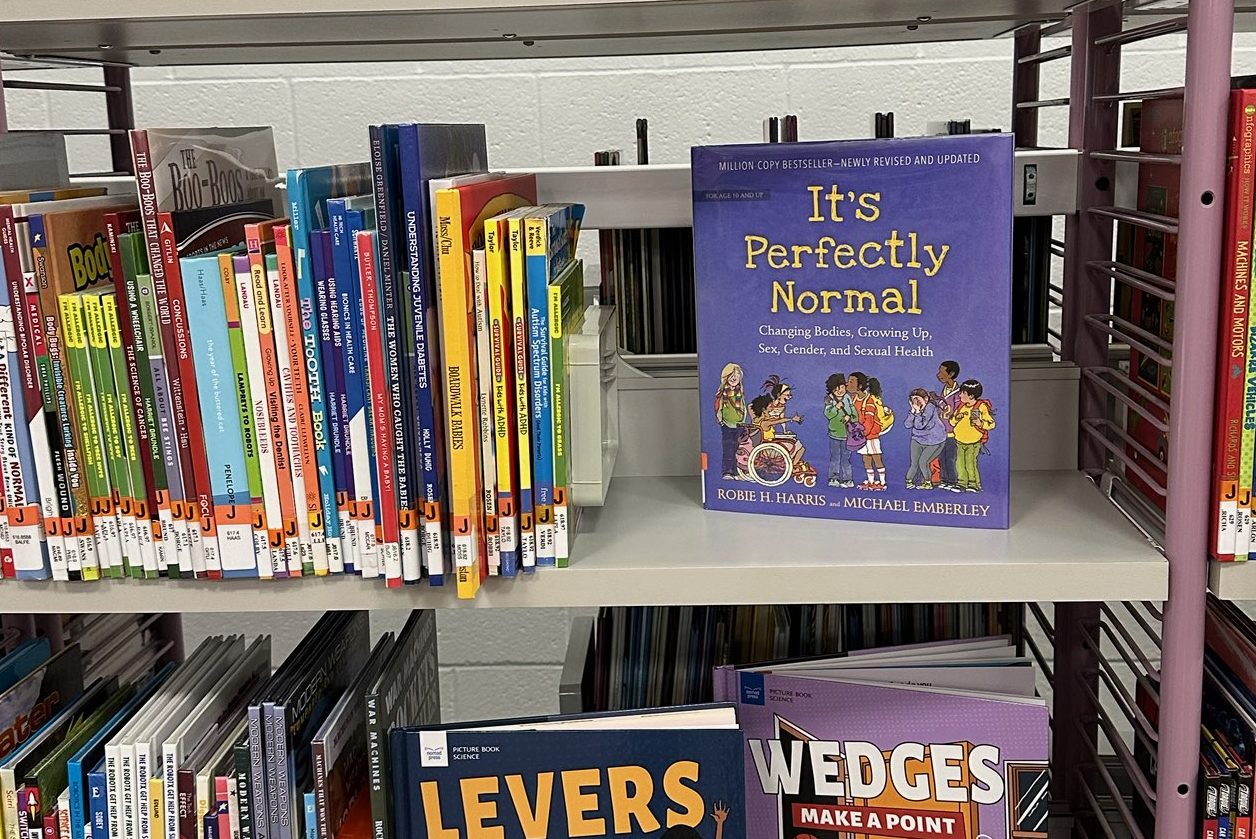
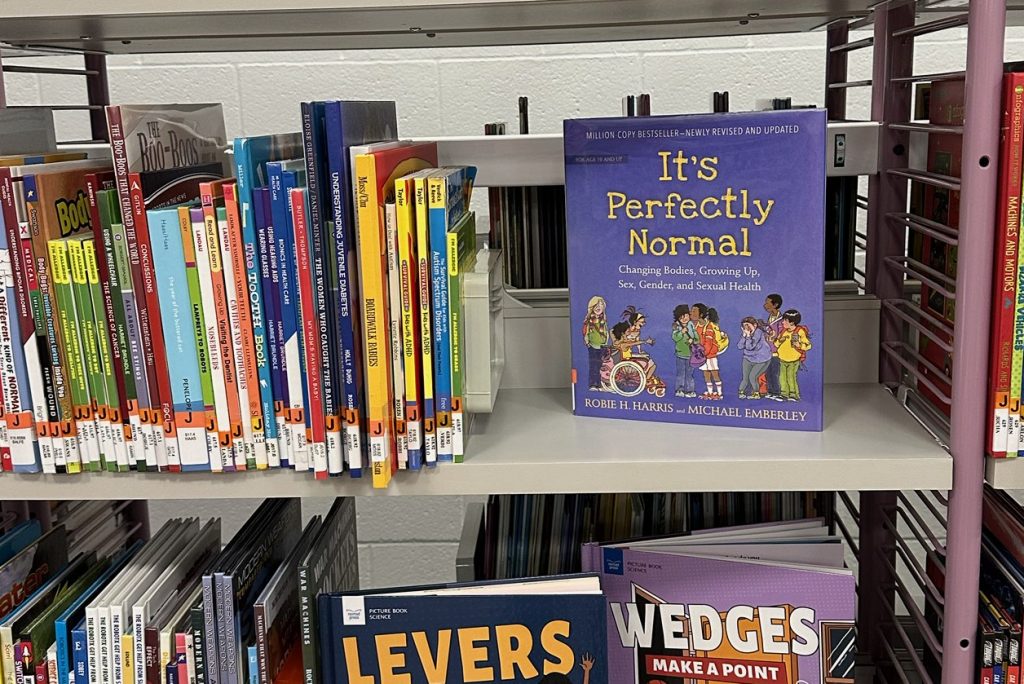
These proposed library rules are a step in the right direction, because too many libraries in Arkansas have made headlines for promoting sexually explicit material to young children.
For example, the Jonesboro public library has been at the center of multiple controversies over its decision to place books with sexually explicit images in its children’s section and for failing to adopt a policy that separates sexual material from children’s books.
The library even went so far as to post on Facebook that it isn’t the library’s responsibility to protect kids from obscenity.
The controversy in Jonesboro escalated to a point that voters finally decided to reduce the library’s millage in 2022.
Other public libraries in Arkansas have included explicit children’s books in their catalogs and failed to separate sexual material from children’s material as well. Some of these books actually contain explicit images of minors engaged in sexual acts.
Families should not have to worry about what their children might see in the children’s section of a library, and taxpayers should not be forced to subsidize library material that is explicit or obscene. These new rules from the State Library Board could help address those concerns.
Articles appearing on this website are written with the aid of Family Council’s researchers and writers.