State Library Board Advances Rules to Protect Children from Explicit Material

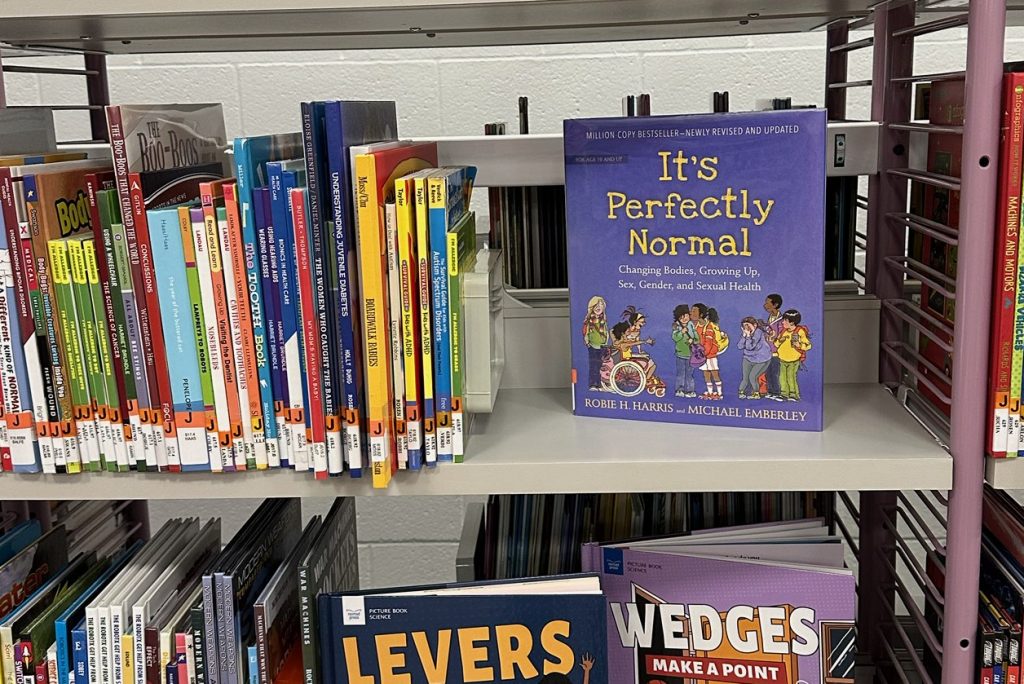
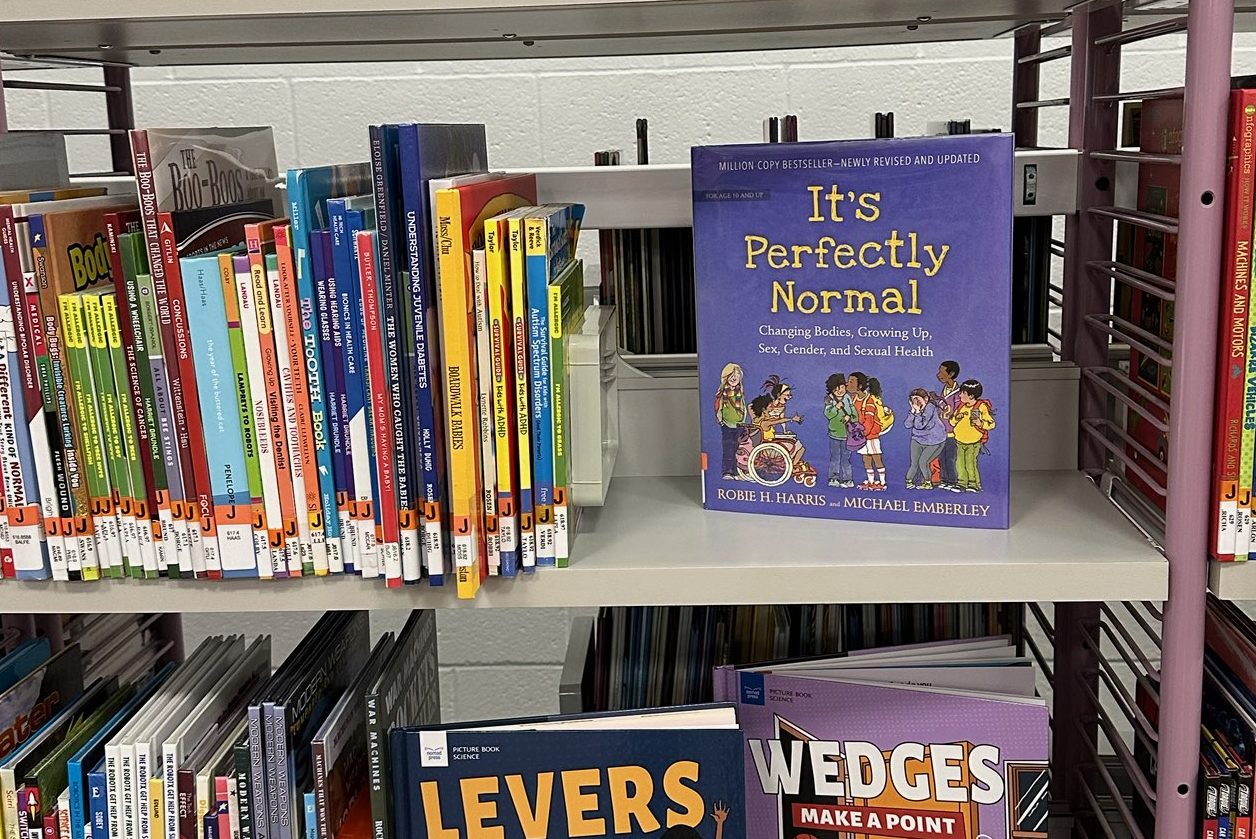
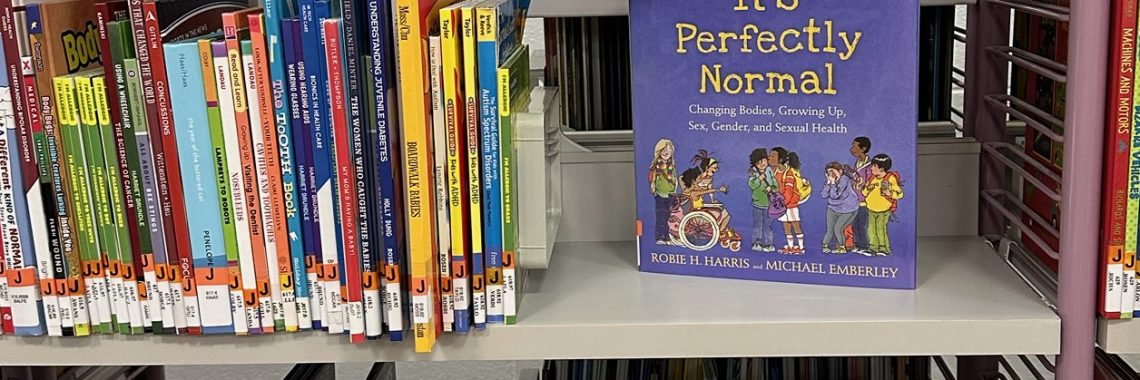
Above: The book It’s Perfectly Normal sits on display in the children’s section of the Craighead County Public Library in Jonesboro in this file photo from 2024. The book contains inappropriate illustrations depicting nudity and sexual activity.

Last week, the Arkansas State Library Board advanced a proposal to help protect children from sexually explicit material in public libraries.

Arkansas is home to many public libraries all across the state, and the library board helps oversee them. But in recent years, parents and policymakers alike have expressed serious concerns about obscene and explicit children’s books that some librarians have placed on the shelves of their local libraries.

At its May 8 meeting, the Arkansas Library Board unanimously approved a proposed set of rules requiring public libraries to ensure children under the age of 16 may not check out sexually explicit materials without parental consent.

Under the rules, libraries would also keep explicit material separate from other areas of the library, and could not knowingly advertise explicit material. Libraries that fail to abide by the rules may not receive state funding.

These proposed library rules are a step in the right direction, because too many libraries in Arkansas have made headlines for promoting sexually explicit material to young children.

For example, the Jonesboro public library has been at the center of multiple controversies over its decision to place books with sexually explicit images in its children’s section and for failing to adopt a policy that separates sexual material from children’s books.

The library even went so far as to post on Facebook that it isn’t the library’s responsibility to protect kids from obscenity.

The controversy in Jonesboro escalated to a point that voters finally decided to reduce the library’s millage in 2022.

Other public libraries in Arkansas have included explicit children’s books in their catalogs and failed to separate sexual material from children’s material as well. Some of these books actually contain explicit images of minors engaged in sexual acts.

Families should not have to worry about what their children might see in the children’s section of a library, and taxpayers should not be forced to subsidize library material that is explicit or obscene. These new rules from the State Library Board could help address those concerns.

Articles appearing on this website are written with the aid of Family Council’s researchers and writers.
Lessons Learned: Why “Safe Sex” Messaging Failed

For decades, public health campaigns promoted “safe sex” as the key to preventing sexually transmitted diseases and unplanned pregnancies, and state and federal officials spent millions of dollars teaching comprehensive sex education to students. But evidence shows that despite the massive investment, STD rates and teen pregnancy rates have remained high.

After his election in 2008, President Obama’s administration gave Planned Parenthood millions of dollars in funding for comprehensive teen pregnancy prevention programs.

Experts later found students who went through Planned Parenthood’s sex education programs were often more likely to become pregnant or cause a pregnancy.

In other words, Planned Parenthood’s multimillion-dollar sex education program did exactly the opposite of what it was intended to do.

In 2016, researchers evaluating similar Teen Pregnancy Prevention programs around the country found the programs did not really change students’ behavior, writing:

Many of the [Teen Pregnancy Prevention program] evaluations saw positive impacts on measures such as knowledge and attitudes; however, these findings did not translate into positive behavioral changes.

In 2016 — while President Obama was still in office — the CDC released a 208-page report concluding teenagers who practiced abstinence were healthier in nearly every way than teenagers who were sexually active.

The CDC’s report looked at everything from seatbelt and bike helmet use to substance abuse, diet, exercise, and even tanning bed use.

Their conclusion was that sexually active teens were less healthy and engaged in riskier behavior across the board.

The Christian alternative to comprehensive sex education is a virtue‑based paradigm rooted in Scripture: “Flee from sexual immorality” (1 Corinthians 6:18) and “Let marriage be held in honor among all” (Hebrews 13:4).

Purity and faithfulness are not fringe ideas but biblical truths that protect body, mind, soul, and community. That is a message that endures where education and messaging fail.

Articles appearing on this website are written with the aid of Family Council’s researchers and writers.
Arkansas Receives a Failing Grade It Can Be Proud Of

This year the State of Arkansas received a failing grade that it can be proud of.

The radical group Sexuality Information and Education Council of the United States (SIECUS) gave Arkansas an ‘F’ grade on its 2025 United States Sex Education report card.

Part of SIECUS’s mission is “ensuring sex education drives social change.” The group has a reputation of promoting inappropriate sexual material in schools.

SIECUS gave Arkansas a failing grade largely thanks to good legislation conservatives in Arkansas have enacted to protect children from groups like SIECUS.

The 2025 SIECUS report card for Arkansas specifically criticized the state’s laws protecting students from explicit material and pro-LGBT indoctrination at school. It also took issue with Arkansas’ sexual risk avoidance education program that promotes abstinence, and it criticized the state’s good, pro-life laws — including laws that keep abortionists and their affiliates out of public schools.

In 2021, Family Council obtained nearly 1,400 pages of documents that revealed how Planned Parenthood — the nation’s largest abortion provider — had spent several years conducting sex education classes in Pulaski County public schools. We know from experience that the kind of sex education that Planned Parenthood and SIECUS promote simply is ineffective.

Throughout the 1980s and 1990s liberals in Arkansas promoted comprehensive sex education in Arkansas’ public schools.

In 1997 the Arkansas Legislature and the Mike Huckabee Administration switched to abstinence education in Arkansas.

Under Governor Huckabee’s abstinence education program, Arkansas’ teen birthrate decreased 17%, and Arkansas’ teen abortion rate plummeted a staggering 48%.

The abstinence education model was so successful in Arkansas that it drew national recognition.

After his election in 2008, President Obama’s administration gave Planned Parenthood millions of dollars in funding for comprehensive teen pregnancy prevention programs.

Experts later found students who went through Planned Parenthood’s sex education program were often more likely to become pregnant or cause a pregnancy afterwards.

In other words, Planned Parenthood’s multimillion-dollar sex education program did exactly the opposite of what it was intended to do.

In 2016 — while President Barack Obama was still in office — the federal Centers for Disease Control released a 208-page report concluding teenagers who practice abstinence are healthier in nearly every way than teenagers who are sexually active.

The CDC’s report looked at everything from seatbelt and bike helmet use to substance abuse, diet, exercise, and even tanning bed use.

Their conclusion was that sexually active teens were less healthy and engaged in riskier behavior across the board.

In spite of all of this, groups like SIECUS and Planned Parenthood still promote comprehensive sex education in public schools instead of abstinence and risk avoidance education.

Given comprehensive sex education’s track record, receiving a failing grade on the SIECUS’s report card is something Arkansans can actually be proud of.

Articles appearing on this website are written with the aid of Family Council’s researchers and writers.