Despite Legalization, Illicit Marijuana Still a Problem in New York

News outlets report New York authorities continue to raid businesses selling illicit marijuana products.

Nationwide, many states have legalized marijuana to varying degrees, and the Trump Administration has moved to ease federal restrictions on the drug. But while policymakers push for more marijuana, law enforcement in these states continue to battle marijuana grown or sold illegally on the black market.

A Bronx smoke shop was recently raided for the third time in two year. Authorities reportedly say the illegal marijuana operation did not have a license and “was located too close to a school, place of worship, or youth facility.”

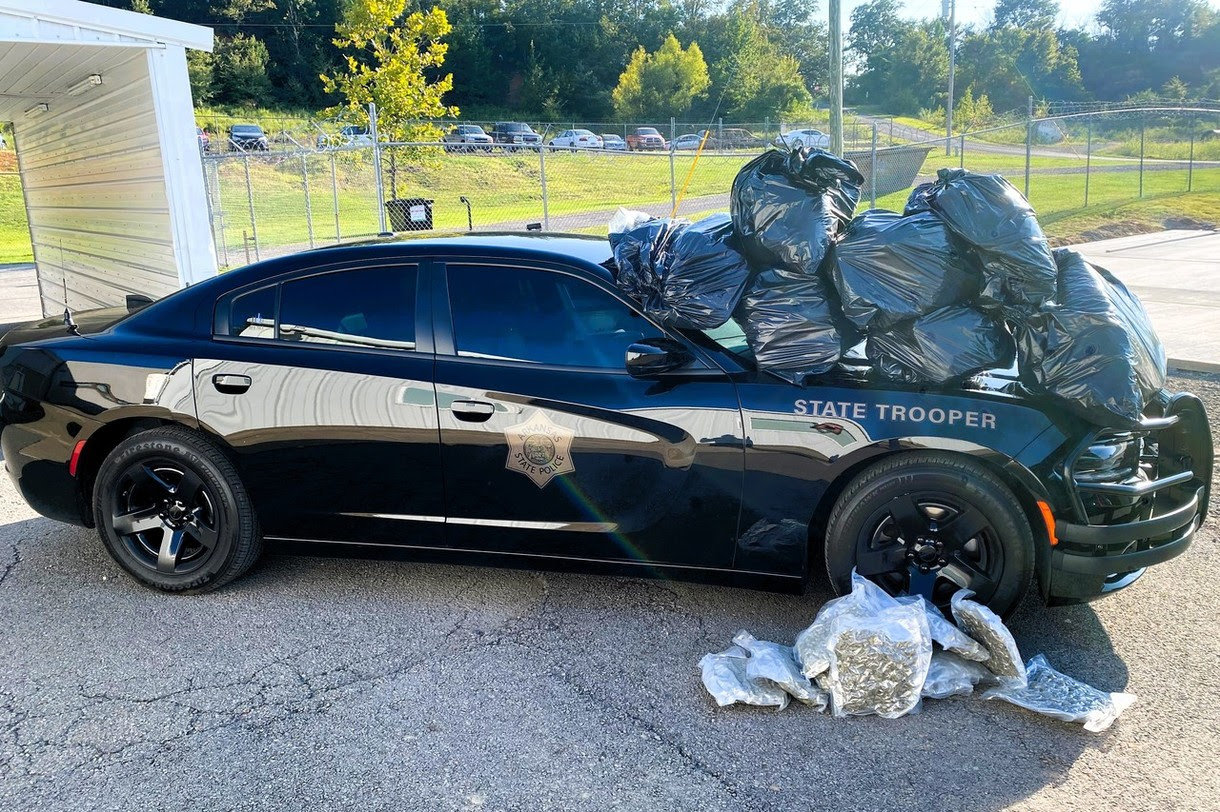
California has seized more than $1.2 billion in illegal cannabis since 2022. In Maine, authorities have said there are hundreds of illegal growing operations connected to Chinese organized crime groups. Oklahoma’s lax marijuana laws have created similar issues, with law enforcement alleging that 40% of America’s black market marijuana has come from legal grow sites in Oklahoma. And Arkansas State Police routinely confiscate marijuana from these states.

Illegal marijuana operations often are believed to be tied to labor trafficking and violent crime — contributing to what some have dubbed “modern day slavery on American soil.”

Chinese organized crime is dominating black market marijuana in many states. The U.S. Department of Justice says Chinese drug cartels may be making millions of dollars from illegal marijuana in states like Maine, New York, Massachusetts, and elsewhere.

All of this underscores what we have said for years: Marijuana may be many things, but “harmless” simply is not one of them.

Articles appearing on this website are written with the aid of Family Council’s researchers and writers.
Class Action Lawsuit Calls Robinhood’s “Prediction Market” an “Unlicensed Sports Gambling Operation”

A class action lawsuit filed in California alleges investment platform Robinhood is “operating an unlicensed sports gambling operation” via so-called “prediction markets.”

Prediction markets exploit loopholes in federal law to bring casino-style gambling to anyone with a smartphone. Whereas traditional gambling operates under state oversight and state law, prediction market platforms claim protection under federal commodities laws. The companies running these platforms claim they just let people “invest” in the outcome of a ballgame, tomorrow’s weather, foreign policy, and so on.

But calling it an “investment” does not change reality. It’s gambling. But unlike other forms of gambling, “prediction markets” are not currently accountable to state gambling laws.

The lawsuit filed against Robinhood earlier this month alleges:

Robinhood’s customers are led to believe that sports event contracts are a modern, sophisticated form of investing on a federally regulated commodities exchange that can be accessed on a phone.

In reality, the sports event contracts Robinhood sells are ordinary, old-fashioned bets or wagers on the outcomes of sporting events (i.e., gaming). By operating an unlicensed sports gambling operation, Robinhood has violated state gambling laws and regulations, engaged in deceptive conduct, and unjustly enriched itself at the expense of millions of consumers. . . .

Unlike traditional gambling sites that require cash deposits for gambling, Robinhood enables brokerage clients to gamble against margin on security positions, exposing customers to substantial losses on their portfolios. Robinhood further entices its customers to gamble by strongly encouraging them to keep their assets with Robinhood rather than removing them from the platform.

We have written before about how prediction markets are particularly troubling because they operate without state oversight. When prediction market platforms let users trade hundreds of millions of dollars on the Super Bowl game outcomes — plus millions more on trivial bets like which song would play first at halftime — that is not investing. That is gambling.

And this kind of predatory gambling destroys families. Sports betting is out of control. It’s ruining lives and corrupting sports. Studies indicate people who gamble on sports may be twice as likely to suffer from gambling problems. The damage is worse when the sports betting happens online.

As powerful corporations try to make gambling part of everyday life, it’s important for Arkansas to protect its citizens and families from predatory gambling. Otherwise gambling addiction will simply continue wrecking lives and hurting families in our state.

Articles appearing on this website are written with the aid of Family Council’s researchers and writers.