Sports Gambling Is Still a Bad Bet: Guest Column

Where betting is legalized, lives are being destroyed.

A recently released report shows a clear correlation between legalized gambling and gambling addiction. While this should surprise absolutely no one, there is further evidence that the explosion of legalized sports gambling was a bad idea. 

In 2018, a Supreme Court decision cleared the way for states to legalize sports betting. Since then, according to the study shared by Epic Research, gambling disorders have risen by 61% in states that allow it but is down 29% in states that have not.  

That’s a big spread, pun intended. The time frame is also significant. Only Nevada allowed sports gambling prior to 2018. Today, it is legal in 39 states and DC, though app-based gambling has made it ubiquitous. The results of this experience speak for themselves: 

Of the overall population, adults aged 30 to 49 had the highest overall quarterly rate of diagnosed gambling disorder throughout the study period. . .. The largest proportional increase was among adults aged 18 to 29, whose rate more than doubled. Rates rose in both sexes and in every age group, but the male-to-female gap was substantially larger in adults under 50. 

The math speaks for itself. For example, sports betting companies make enough to pay out a fortune in constant commercials while still raking in incredible profits. As of last year, gambling businesses have taken in around $300 billion, which is as much as China spends on its military each year.  

The cost to consumers, however, is not only in the bet. According to a 2025 article by Charles Fain Lehman in The Atlantic, for every dollar spent on betting, household investing fell by an average of two dollars. The years since 2018 have been marked by large increases in over-drafted bank accounts and maxed-out credit cards. Legalized sports gambling has increased “the risk that a household goes bankrupt by 25 to 30 percent” and has caused debt delinquency to surge.   

The financial strain, in turn, worsens social pathologies. According to research cited by Lehman, an upset loss for an NFL home team correlates to a 10% spike in male domestic abuse. Overall, states with legalized sports gambling have seen an estimated 9% increase in “intimate-partner violence.” 

As it turns out, it is possible to legislate morality, or, in this case, to legislate an increase in immorality. The legalization of sports gambling, and the general betting industrial complex, is a scourge on society, as if a highly contagious illness had a multi-billion-dollar PR campaign behind it. This is a cause for both the Left and the Right to get behind. Progressives would be hard pressed to find a better example of the rich getting richer on the backs of the poor. Conservatives have a horribly perfect example of the effects of moral decay and the corruption of domestic life. 

Moral decline isn’t inevitable. Too many are convinced that things always go from bad to worse, so why try to turn the tide? Fighting the new normal, especially one with so much money and political power behind it, is an uphill battle. But Christians are commanded to love our neighbors. Sometimes that means giving to a local charity. Sometimes that means pressing leaders to ban what is destroying lives. 

Copyright 2026 by the Colson Center for Christian Worldview. Reprinted from BreakPoint.org with permission.
Here is Why Homeschoolers in the EFA Program Do Not Take the Same Assessments as Public School Students

A candidate for Arkansas Senate recently published a video on Facebook supporting new testing restrictions on homeschoolers and private school students who receive Educational Freedom Account (EFA) funding.

Most Arkansans may be aware that the State created the EFA program in 2023, making it possible for students to use public funds to pay for an education at a public or private school or at home.

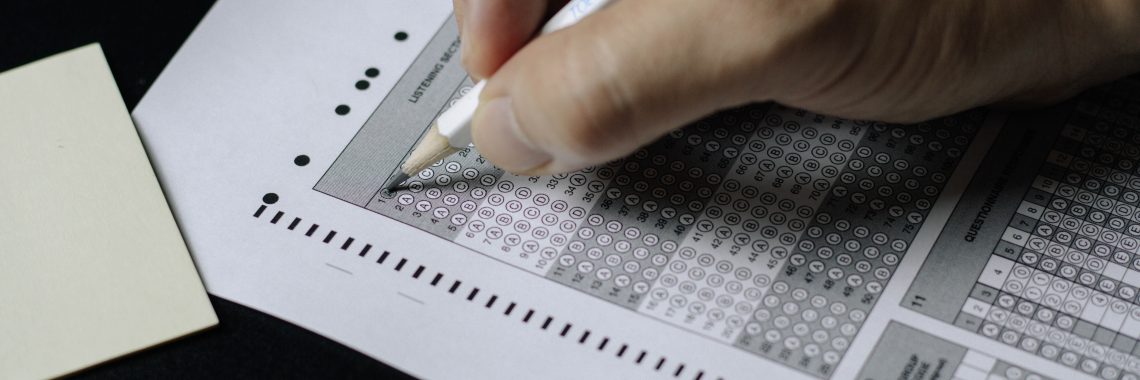
What some people do not seem to understand is that every student receiving EFA money must take a nationally recognized norm-referenced test, and Department of Education data shows Arkansas’ EFA students are outperforming their peers nationwide.

Over the past year, different public figures have called for more regulation of the EFA program.

For example, during committee testimony in April, some Arkansas lawmakers argued EFA students should take the same assessments as public school students.

Last week, Arkansas State Senate candidate Missy Wardlaw posted a Facebook video arguing the same thing, saying:

“If taxpayer dollars are paying for a child’s education, whether it be public, private, or homeschool through EFAs, every student should take the same assessment. That’s the only way to honestly measure academic growth, compare results fairly, and ensure taxpayers know their investment is producing results. If public money is being spent, then public accountability should come with it.”

Arkansans need to understand two important points about how the EFA program works and why EFA students do not take the same assessments as public school students:

First, imposing a one-size-fits-all assessment on students does not strengthen accountability for the EFA program.

The EFA program already contains tremendous transparency and accountability requirements.

Under state law and state rules, every student’s EFA spending is subject to strict approval processes at the Arkansas Department of Education.

Financial data shows 90% of EFA spending goes directly to school tuition and other core educational expenses. The other 10% goes to enrichment activities like PE, athletics, music, and art, or other co-curricular programs. The Arkansas Legislature has actually limited vendor fees and capped EFA spending on these types of programs.

In June, the State moved forward with a new set of administrative rules establishing even more complicated preapproval and reimbursement requirements for homeschoolers participating in the EFA program.

EFA students already have plenty of regulation and accountability. Forcing homeschoolers and private school students to take the same assessments as public school students would not increase that accountability or make the program better.

Second, requiring EFA students to take the same assessments as public school students could ultimately drive EFA students to use the same curriculum as public schools.

The EFA program is designed to help families give their children the education that is right for them.

Many families may feel trapped by failing public school systems or by one-size-fits-all approaches to education. For those families, the EFA program offers options that help them and their children thrive.

The public school assessments are designed to measure students’ mastery of the material taught in public schools. Forcing EFA students to use those assessments could drive them to use the public school curriculum as well.

That goes against the entire point of the EFA program.

Students in the Educational Freedom Account program are doing well, because the program gives them the freedom to pursue the education that is right for them. Arkansans need to understand what has made the EFA program successful, and lawmakers should oppose any effort to impose a one-size-fits-all approach to education on EFA students.

Articles appearing on this website are written with the aid of Family Council’s researchers and writers.

More Americans Now Use Marijuana than Cigarettes

New survey data shows marijuana use has surpassed cigarette use in America, and the number of people who use marijuana daily is growing.

Marijuana has been legalized to varying degrees under different state laws, and the Trump Administration has eased federal restrictions on the drug. But while policymakers push for more marijuana, there is serious concern about the way Americans use it.

The Substance Abuse and Mental Health Services Administration’s newest survey on drug use shows that more Americans now use marijuana on a daily basis than smoke cigarettes. And while tobacco and alcohol use have declined since 2021, marijuana use has increased — especially among adults age 26 or older. Cannabis use disorder — a measure of dependence or addiction to marijuana — also increased.

All told, the survey estimates 61.6 million Americans used marijuana in the past year. About one-third of them — 21.4 million people — used marijuana either daily or almost daily. If these frequent users formed their own state, it would be roughly seven times the population of Arkansas.

Americans need to understand how serious our nation’s drug problem is when it comes to marijuana.

Earlier this year, the editorial board at The New York Times published a stunning column titled, “It’s Time for America to Admit That It Has a Marijuana Problem.” In it, the editors raised concerns about the rapid expansion of marijuana and marijuana use across the country.

Yale reports roughly 30% of current cannabis users now meet the criteria for addiction. Researchers writing in JAMA found nearly one in three “medical” marijuana users may suffer from cannabis use disorder.

THC — the main psychoactive substance in marijuana — has been tied to everything from heart disease and cancer to stroke, mental illness, and birth defects.

Researchers have found marijuana use doubles a person’s risk of death from heart disease.

And contrary to popular belief, legalization in other states has actually emboldened drug cartels and increased the flow of illegal drugs across the country.

These problems don’t just hurt marijuana users. They affect entire communities — including the people who never use marijuana or other drugs.

All of this underscores what we have said for years: Marijuana may be many things, but “harmless” simply is not one of them.

Articles appearing on this website are written with the aid of Family Council’s researchers and writers.