Arkansas to Get Millions from Meta — Plus Aggressive Ads Fuel “Addiction Economy” and More

This image has an empty alt attribute; its file name is weekly-rewind-banner-corrected-1024x165.png

Here’s a quick recap of the week’s top stories from Family Council and our friends:

From Family Council

What Will Arkansas Get from the Settlement with Meta? Last week, social media giant Meta agreed to a $17.1 billion settlement with dozens of state attorneys general over a slate of consumer protection lawsuits. How much of that money will go to Arkansas? Keep Reading.

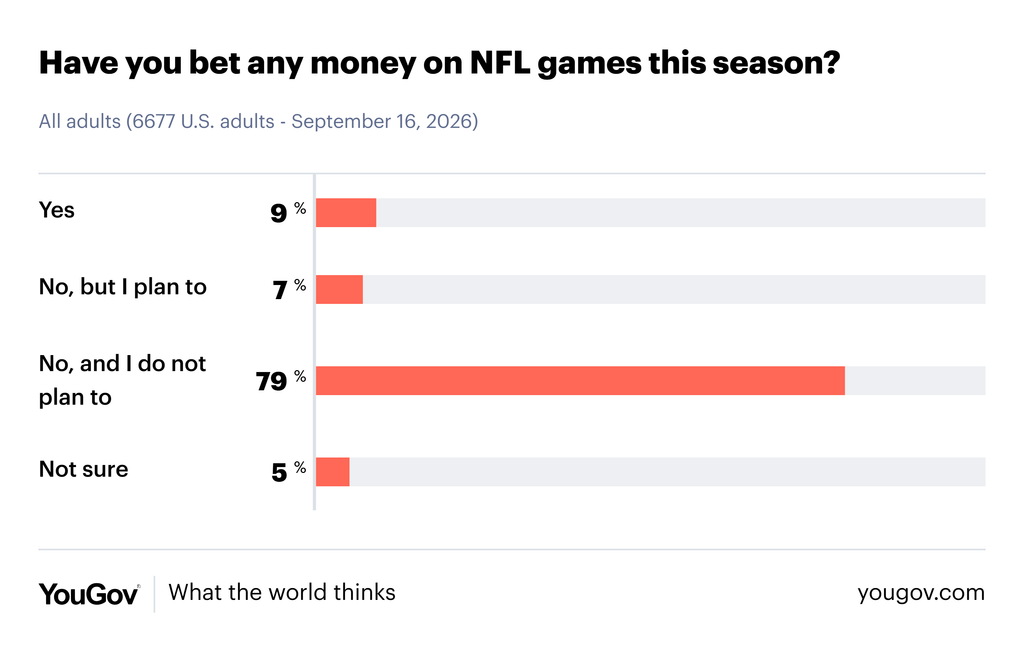
Arkansans Wager $2.5M Every Day on Sports Betting. Data from the Arkansas Department of Finance and Administration shows that from January 1 through July 31, sports bets totaled $529,050,612.76. Nearly all of those bets were placed online. All told, Arkansans have wagered an average of more than $75.5 million every month, or roughly $2.5 million per day. That figure is likely to increase once football season gets underway. Keep Reading.

Study Shows Staggering Number of Young Men Trapped in “Addiction Economy” of Gambling, Pornography. Approximately one in eight men ages 18 to 29 use pornography, gamble, and play video games — all three — every single day, according to the Institute for Family Studies (IFS). Keep Reading.

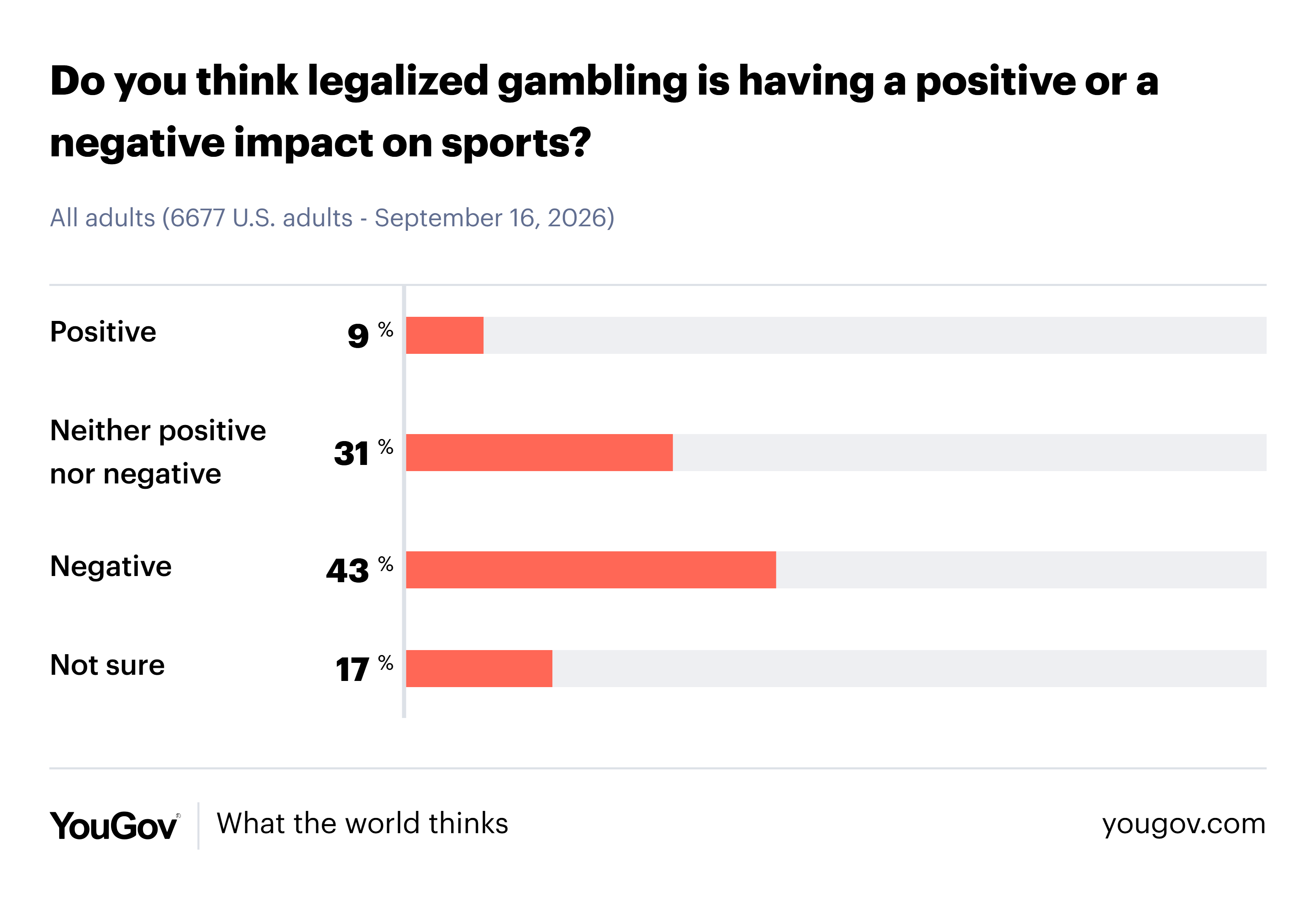
Sportsbooks Still Use Aggressive Advertising. Gambling has exploded in recent years, and studies show large segments of the population now have an active sportsbook account online. But some are concerned that online gambling and sports betting may fuel gambling problems. Keep Reading.

Unpacking Attorney General Griffin’s Lawsuit Against Snapchat. Earlier this summer, Arkansas Attorney General Tim Griffin filed a consumer protection lawsuit against Snap — owner of the popular social media platform Snapchat — alleging the company deliberately designed its app to attract and addict teenagers, while publicly claiming the platform was safe for young users. Keep Reading.

Nearly 200 People in New Mexico Received Lethal Prescriptions for Assisted Suicide Last Year. Government data shows healthcare providers in New Mexico prescribed lethal drugs to 170 people last year under the state’s End-of-Life Options Act. Keep Reading.

Inoculating Your Children from Socialism: Guest Column. According to a 2025 survey, 62% of Americans under 40 have a positive view of socialism or communism. Where did this come from, and what should be done? That’s the question we asked Eric Patterson, president of the Victims of Communism Museum and Memorial Foundation: Keep Reading.

Socialism: Same Old Pitch, New Packaging. Rasmussen reports that support for capitalism has declined since 2023, and a growing share of likely voters now say socialism is better. Last November, Zohran Mamdani won New York City’s mayoral election. Mamdani, 34, belongs to the socialist Working Families Party. In his victory speech, Mamdani promised New Yorkers a “new age,” saying, “We will prove that there is no problem too large for government to solve, and no concern too small for it to care about.” But this modern socialism is really just a repackaging of the same arguments and soundbites that communism used in the last century. Keep Reading.

From Our Friends

Gaslighting Americans About What They Did to the Kids from Breakpoint.

DOJ Sues Kansas City, Kansas Public Schools Over ‘Transgender’ Secrecy Policies from Daily Citizen.

Florida Surrogate Gets Glimmer of Hope in Custody Battle Over Abandoned Toddlers from LiveAction.

Articles appearing on this website are written with the aid of Family Council’s researchers and writers.


Sportsbooks Still Use Aggressive Advertising

Popular online sportsbooks still use aggressive marketing tactics that seem to promote reckless gambling.

Gambling has exploded in recent years, and studies show large segments of the population now have an active sportsbook account online. But some are concerned that online gambling and sports betting may fuel gambling problems.

For example, sportsbook Bet365 has a TV spot advertising eight-leg parlays. Parlays combine multiple wagers — like passing yards and total points — into a single bet. Their long odds give the sportsbook a distinct advantage, which can hurt people who suffer from problem gambling.

FanDuel has released one commercial that showed people so focused on sports betting that they ignored everyone else around them. Another ad promoted taking advantage of every opportunity to gamble.

FanDuel has also aired commercials encouraging people to gamble on “surprising” hunches — including powerful hunches that strike between football plays.

The ads may seem silly, but gamblers who ignore loved ones, wager nonstop, or place bets “on a hunch” may suffer from a serious gambling problem.

Other recent commercials advertise “playoff mode” with aggressive promotional offers like hundreds of dollars in “bonus bets.” Bonus bets, risk-free bets, deposit matches, or similar promotions may encourage people to place larger wagers, which could ultimately fuel problem gambling.

Sports betting and other types of gambling are not harmless entertainment. Sports betting is predatory, and it’s growing.

A report from Common Sense Media earlier this year found 36% of boys ages 11 to 17 reported gambling in the past year. Among boys exposed to gambling content, 59% said the content appeared in their feeds without them seeking it out.

Researchers have repeatedly voiced concerns about sports advertisements that aggressively target young adults.

Internet gambling makes placing a bet as easy as sending a text — especially when it comes to sports betting.

Bankruptcy attorneys across the country say online sports betting is driving a surge in personal bankruptcies — especially among young men in their 20s and 30s.

Researchers at UCLA estimate that online sportsbooks are linked to roughly 30,000 additional bankruptcies per year nationwide, and a report from the Federal Reserve Bank of New York found that states with legal mobile sports betting have seen credit delinquency rates spike — especially among borrowers under 40.

Gambling addiction is a serious problem, and sportsbooks have a responsibility to be sure their marketing and promotions do not make that problem worse.

Family Council has prepared a list of practical steps Arkansas could take to address predatory gambling.

As powerful corporations try to make gambling part of everyday life, it is important for Arkansas to protect its citizens and families. Otherwise, gambling addiction will simply continue wrecking lives and hurting families in our state.

Articles appearing on this website are written with the aid of Family Council’s researchers and writers.