
New Investigation Exposes Dangerous Abortion Pill Practices

A troubling investigation reveals how chemical abortion continues to put women at serious risk.

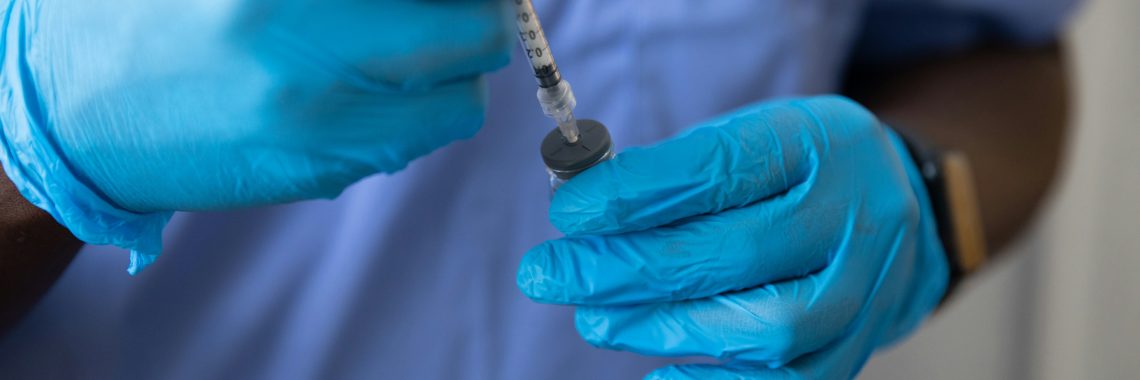
Live Action’s undercover investigation found that Planned Parenthood facilities fail to implement basic safety protocols when distributing mifepristone and misoprostol — the two drugs that make up the RU-486 abortion regimen.

Women receive these dangerous drugs without ultrasounds, medical screenings, or proper follow-up appointments.

The investigation shows abortionists are operating more like drug dispensaries than medical facilities.

This is deeply troubling, given that research shows nearly 11% of women experience serious health complications from abortion pills. A recent study by the experts at the Ethics and Public Policy Center found the abortion drugs mifepristone and misoprostol are at least 22 times more dangerous than the U.S. Food and Drug Administration labeling indicates. Complications from these abortion drugs include sepsis, infection, and life-threatening hemorrhage.

Making matters worse, instead of cracking down on abortion drugs, the FDA approved a generic version of mifepristone in September, and lawmakers in some states have enacted “shield laws” to protect abortionists who ship abortion drugs across the country. If an abortionist in one of these states mails abortion drugs to Arkansas, the state’s “shield law” prevents the abortionist from being prosecuted.

Groups like Planned Parenthood have also opened abortion facilities within driving distance of pro-life states, and abortionists are spending millions of dollars to promote abortion to women in Arkansas and elsewhere. Those are all serious problems.

There is nothing “safe” about abortion drugs. Abortion drugs kill unborn children and they hurt women. They simply should not be for sale in America.

For more information on this investigation, visit LifeNews.com and Live Action’s report.

Articles appearing on this website are written with the aid of Family Council’s researchers and writers.

French Senate Kills Bad Euthanasia Bill

Dangerous euthanasia legislation in France recently stalled in the country’s Senate, exposing deep divisions over whether doctors should help patients end their lives.

The French Senate rejected a key article of the bill that would have defined conditions for so-called “medical aid in dying.” In an unusual move, both conservatives and socialists voted against the measure, though for different reasons.

Conservative senators reportedly thought the measure made it too easy to obtain lethal drugs. Socialist senators opposed the bill because they felt it didn’t go far enough in expanding access to euthanasia.

The legislation would legalized assisted suicide for any patient in an “advanced phase” of illness—with possible months to live. The bill’s supporters had tried to compromise by limiting access to patients at the very end of life, but even that wasn’t enough to bridge the divide.

The deadlock highlights a fundamental division between those who support the sanctity of life and those who want to expand access to doctor-assisted death.

Euthanasia is already legal in several European countries.  Countries like Belgium and the Netherlands have expanded assisted suicide to allow euthanasia for mental illness, depression, and dementia. What starts as a “compassionate choice” eventually devolves into routine killing.

In 2019 a Canadian man with ALS made headlines when he chose to take his own life under the country’s assisted suicide and euthanasia laws after the government chose not to provide him with 24-hour home healthcare services due to cost.

Recent news articles allege that an elderly woman in Ontario — dubbed “Mrs. B” in official reports — was euthanized against her after her elderly husband began “experiencing caregiver burnout.” Her husband reportedly requested “an urgent assessment” of his wife’s eligibility for assisted suicide. She was euthanized that evening.

In parts of the U.S. where physician-assisted suicide is legal, insurance companies have refused to pay for patients’ medical care, but have offered to cover assisted-suicide drugs.

Arkansas has strong protections for human life. Our state should learn from other countries’ struggles with assisted suicide and euthanasia. When governments start deciding who lives and who dies, they cross a line that threatens the most vulnerable among us.

Articles appearing on this website are written with the aid of Family Council’s researchers and writers.

Kansas Legislature Passes Privacy Measure Similar to Arkansas Law

On Wednesday, the Kansas Legislature passed a measure protecting physical privacy and safety in showers, restrooms, locker rooms, and changing areas in public buildings. The legislation requires these facilities to be designated specifically for male or female use.

Kansas’ measure is similar to Arkansas Act 955 of 2025 by Sen. Blake Johnson (R — Corning) and Rep. Mary Bentley (R — Perryville).

Over the past several years, lawmakers in Arkansas have worked diligently to strengthen state laws protecting physical privacy and safety. Act 955 is the latest step in that process. Now Kansas joins a growing list of states that have considered similar measures.

Laws like these are necessary to protect students from federal overreach that seems to come and go with each election cycle.

In 2016 the Obama Administration issued federal “guidelines” directing every public school in America — including schools in Arkansas — to let biological males use girls’ locker rooms, showers, bathrooms, and similar facilities at school. The Trump Administration rescinded those federal policies in 2018, which gave schools a brief reprieve, but the Biden Administration moved to reinstate the policies shortly after the 2020 election.

Since his inauguration last year, President Trump has signed a series of executive orders addressing issues like this one, but a future president could repeal those executive orders.

State laws can help clarify how public schools protect student privacy in the face of changing federal policy. They also prevent school officials from jeopardizing student privacy.

It’s good to see policymakers in Kansas taking steps to protect physical privacy and safety in their state.

Articles appearing on this website are written with the aid of Family Council’s researchers and writers.