Arkansas Sees a Tenfold Increase in “Medical” Marijuana Users in Pandemic’s Wake
The number of “medical” marijuana patients in Arkansas has risen more than tenfold in the wake of the COVID-19 pandemic.

Arkansas’ “medical” marijuana amendment lets people use marijuana if they have a note from a doctor.

We have written repeatedly about how there is evidence that many people may actually be using marijuana recreationally via the state’s “medical” marijuana program. The law lists many different qualifying conditions that allow marijuana use — some of which are vague and subjective, like intractable pain and nausea.

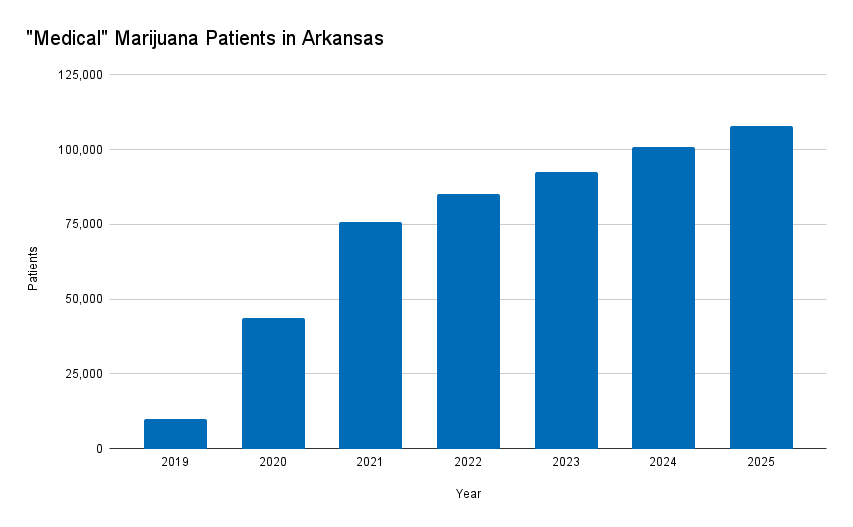
State reports now show that the number of “medical” marijuana users in Arkansas spiked dramatically during and after the COVID-19 pandemic.

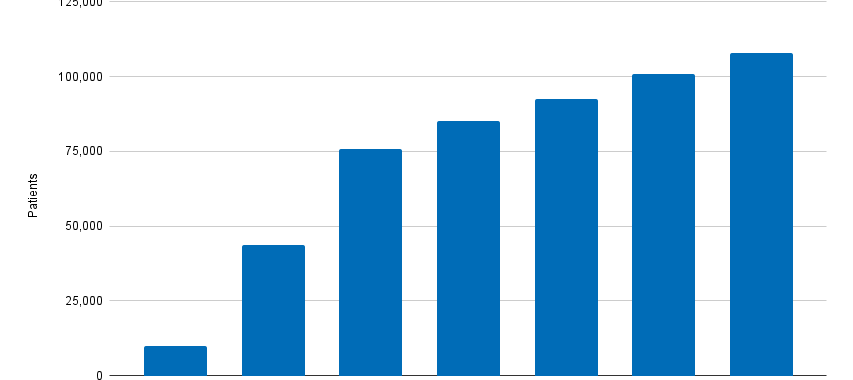
In 2019, the Arkansas Department of Health reported 9,830 people were allowed to use “medical” marijuana.

By June of 2020, that number had more than quadrupled to 43,630 marijuana patients.

The number has increased steadily every year since. As of last summer, the Health Department reports there are 108,021 “medical” marijuana patients in the state.

Along the way, the reasons people list for wanting to use marijuana have also changed.

In 2019, intractable pain was the number-one reason people gave for wanting to use marijuana. But between 2020 and 2023, that changed. Today, post-traumatic stress disorder (PTSD) is the most common qualifying condition among “medical” marijuana users.

That’s troubling, because researchers have found marijuana use may actually worsen PTSD symptoms.

Addiction experts note that marijuana can trigger mental health problems like depression, anxiety, and psychosis — which can be serious for a patient with PTSD.

More generally, researchers have expressed concerns about increased substance use and abuse since the pandemic — including marijuana.

A 2022 study found “medical and non-medical” marijuana use both rose among certain groups of adults during COVID. Specifically, people who rarely used marijuana before COVID showed significant increases in marijuana use during the pandemic.

And a JAMA study published in 2023 found marijuana use increased among adults during COVID.

The dramatic rise in “medical” marijuana users in Arkansas since 2020 raises many questions, but it’s important to remember that there is no difference between marijuana marketed “medically” and marijuana marketed “recreationally.” It’s the same drug.

And medical marijuana has failed to live up to its promises of helping people with serious medical conditions. Researchers writing in the Journal of the American Medical Association (JAMA) found that “evidence is insufficient for the use of cannabis or cannabinoids for most medical indications.”

Even worse, researchers discovered that 29% of people using marijuana for “medical” purposes actually developed cannabis use disorder — meaning they became dependent or addicted.

All of this underscores what we have said for years: Marijuana may be many things, but “harmless” simply is not one of them.

Articles appearing on this website are written with the aid of Family Council’s researchers and writers.
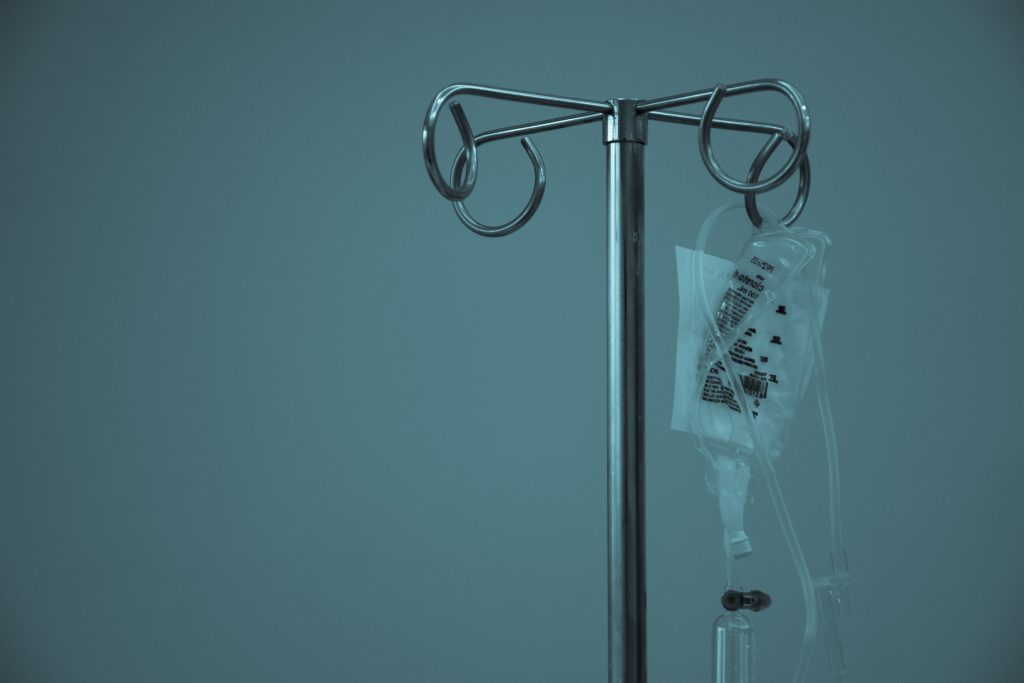
As States Legalize Assisted Suicide, Pro-Lifers Must Stand Strong

Late last year, New York Governor Kathy Hochul announced a deal to legalize assisted suicide for terminally ill patients.

The so-called “Medical Aid in Dying Act” is supposed to make it possible for patients expected to die within six months to request a prescription for lethal drugs.

Illinois Governor J.B. Pritzker signed a similar assisted suicide law in December as well.

Illinois’ and New York’s assisted suicide laws represents a growing threat to pro-life states like Arkansas.

Currently, thirteen states plus Washington D.C. allow some form of assisted suicide or euthanasia.

From experience, we know that supporters of assisted suicide and euthanasia may use the recent passage of these laws to promote similar legislation in Arkansas. In the past, when other states legalized assisted suicide, pundits tried to argue that states like Arkansas are “behind the times” and need to pass similar laws.

Arkansas has strong pro-life protections, but we must remain vigilant. Our state constitution protects life, and our lawmakers have consistently rejected assisted suicide proposals. We must work hard to make sure all of that continues.

Being pro-life means believing human life is sacred from conception until natural death. Just like abortion, euthanasia and assisted-suicide are murder, and they violate the sanctity of human life. Pro-lifers must stand strong against them.

Articles appearing on this website are written with the aid of Family Council’s researchers and writers.

Super Bowl Betting Explosion Shows Gambling’s Growing Grip

Americans wagered more than $1.7 billion on the Super Bowl this month, highlighting how online gambling has become a dangerous new norm in our culture.

A report from the American Gaming Association notes this figure represents only legal sports betting. The real number — which includes illegal betting and new “prediction markets” — is probably much higher.

Prediction markets, like Kalshi and DraftKings Predictions, are particularly troubling because they operate without state oversight. Unlike traditional sportsbooks that must get permission from each state before they can take wagers, prediction markets are classified as federally regulated futures exchanges, and they try to target users anywhere in America — including states that have rejected online sports betting.

Kalshi alone saw users trade $500 million on the Super Bowl game outcome, plus millions more on trivial bets like which song would play first at halftime or which celebrities would attend the game. This shows how gambling companies are turning every aspect of sports into a betting opportunity.

One report found that one in eight people at NFL games opened betting apps while in the stadium — which seems to suggest people may be gambling impulsively or placing prop bets during games.

All of this raises serious concerns. Sports betting promises entertainment and easy money, but it devastates individuals, families, and whole communities.

As powerful corporations try to make sports betting part of everyday life, it’s important for Arkansas to protect citizens and families from predatory gambling. Otherwise, problem gambling will simply hurt more and more people in our state.

That is why Family Council is calling on all Arkansans to stand up against predatory sports betting and prediction markets.

Articles appearing on this website are written with the aid of Family Council’s researchers and writers.