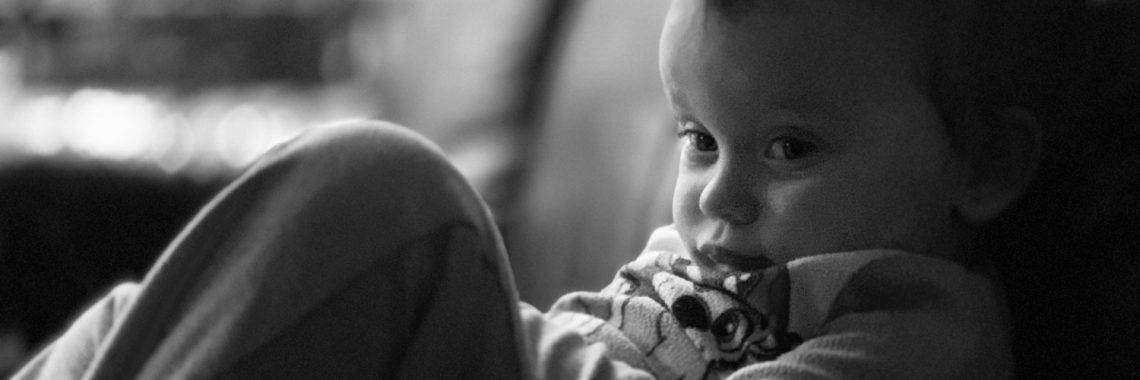
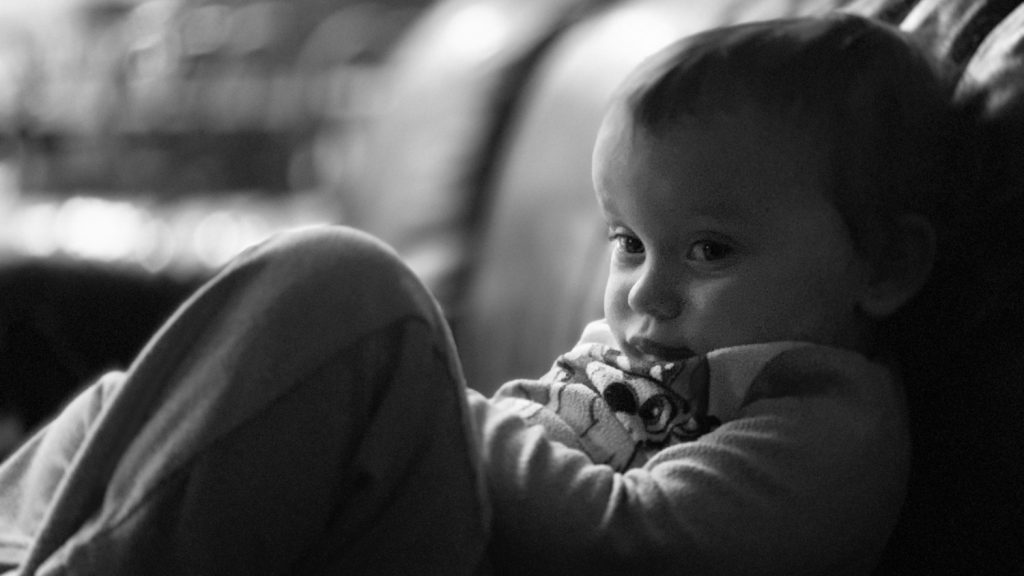
A recent video exposed the injustice at the heart of same-sex marriage and commercial surrogacy. In it, a man bouncing a baby on his lap asks, “Who do you want? Dada or Pop?” The baby answered, “Mama!” To which, both the man and his unseen partner behind the camera laughed and said, “There is no Mama.” They continue to badger the child, who then begins to cry.
The most obvious evil portrayed in the video is the relentless teasing of a baby. The deeper evil, however, is not that the men were mean. In fact, being mean was only the insult added to the injury of forcing their farcical arrangement on a baby and calling it a family.
Because, and everyone knows this including these two men suppressing the truth by their wickedness, there is a mama. She is not included in the video, nor is she in the life of the baby she carried and who needs her, but she exists. She’s been cut out of her child’s life, presumably by her own choice. The baby, however, did not make a choice. And now two men who have appropriated the title of “parents” are badgering the baby into affirming their lifestyle choice.
Perhaps, the infant is only doing what infants often do, babbling out those syllables that are often among the first learned by young ones across times and places and culture. But of course, these syllables always refer to the same person. They are, in the end, a primal cry of children for a particular someone who should always be there for them.
Anyone who has spent time around babies understands what is playing out in this scene. For little ones, mama is the world. In fact, according to childhood policy expert Dr. Dan Wuori, kids often say “Dada” before “Mama” not because the mom doesn’t matter as much but because she matters so much more. In their tiny, growing minds, they recognize “Dad” as a distinct person before they realize that “Mom” isn’t part of themselves. This innate and beautiful bond is intentionally broken when we pretend that a man can replace a mom, or whenever a child is acquired through surrogacy.
Just as tragic is the embrace of same-sex “marriage” or such reproductive technologies by individuals, governments, medical authorities, and Christians, while failing to even take a cursory glance to consider what is best for the child. Any ethical concerns around in vitro fertilization and surrogacy have been deferred in order to protect the feelings and desires of adults. In fact, both in policy and in public discourse, we’ve lost the ability to even discern the difference between couples who suffer with infertility and same-sex couples who have chosen inherently sterile relationships but then demand children. As a result, what children need is tossed aside in the name of adult desires. Children become commodities in the marketplace of consumer-driven reproductive technologies.
As Katy Faust, founder of the children’s rights group Them Before Us and the Greater Than campaign, said to the Colson Center:
We’ve been sounding the alarm about surrogacy for years. The mother loss, the commodification, the fact that children often go home with unrelated adults, increasing risk of abuse and neglect. But videos like this do something that arguments and studies never can. They spark righteous rage that leads people to come out of the closet as defenders of the natural family. It is more and more clear that gay marriage didn’t just have to do with what takes place “in the privacy of the bedroom.” It impacts children. And when we see those children cry on camera, it motivates us to action.
It should, at least. The word “natural” is accurate. Having chosen unnatural relationships, to quote Paul, these two dads now demand that even a baby must affirm what is unnatural. Even if they had not made that demand in such a cruel way in a video shared for social media clicks, great harm has been done to this child. And a culture that affirms their choice is complicit in that harm.
Babies need their mamas. There are few things more obvious than that. Denying that reality is a tragedy. Harming children should be a crime.
Copyright 2026 by the Colson Center for Christian Worldview. Reprinted from BreakPoint.org with permission.
READ MORE