Concerns Over Addiction Grow as Gambling Becomes as Easy as Sending a Text

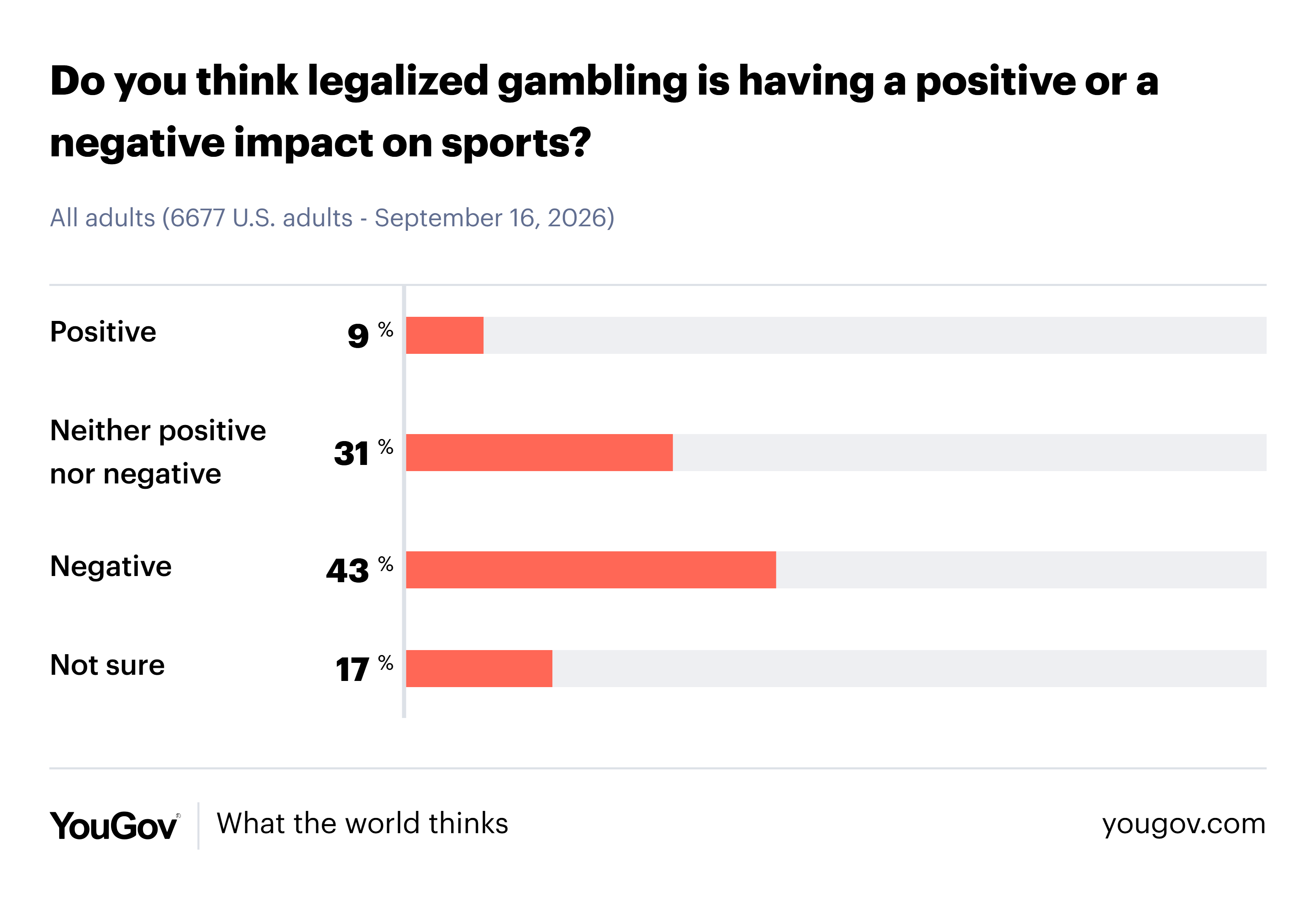
Concerns are growing nationwide about a new wave of gambling addiction from sports betting and online “prediction markets.”

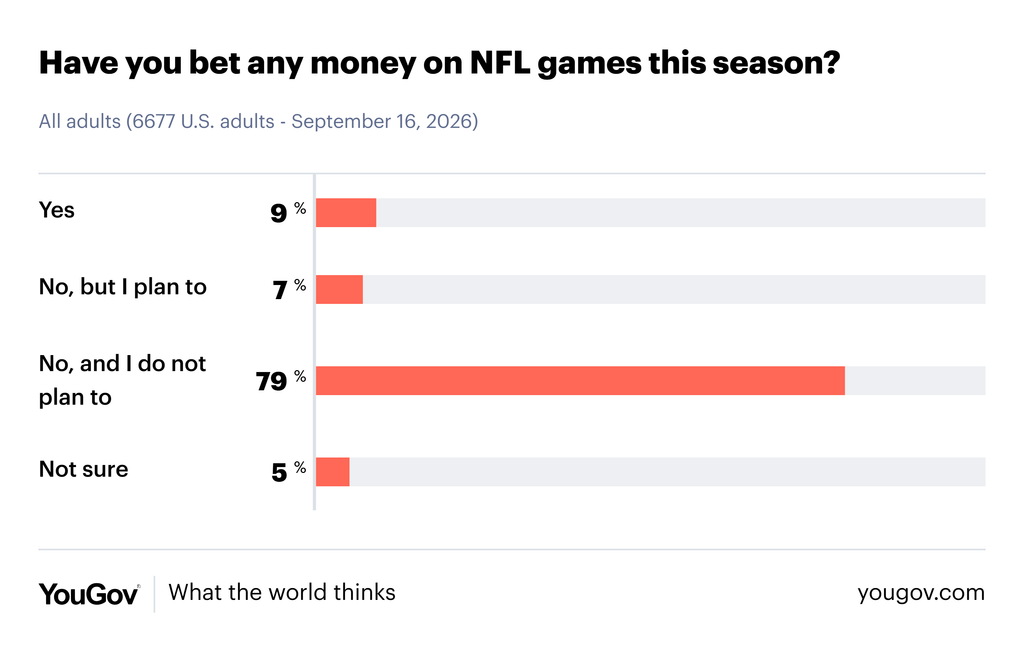
Most states have legalized sports betting. Survey data shows more than half of men ages 18 – 49 have an active sportsbook account online.

Arkansans wagered a record $86.5 million in March alone this year, and “prediction markets” that operate outside the scope of state regulation have exploded in recent years.

But people are deeply concerned about the toll this type of gambling is taking on gamblers and their families.

In Ohio, Crain’s Cleveland Business writes that sports gambling is costing more than just money, saying:

“More than three years after Ohio launched legal sports betting, the returns are easy to measure. So are the costs. Billions of dollars have flowed through mobile apps, fueling tax revenue and industry growth. At the same time, calls to problem gambling hotlines have climbed, betting-related debt has increased and some lawmakers are now trying to put new limits on an industry that has already taken hold.”

Over at NBC Sports, Mike Florio recently wrote that sports leagues need to take responsibility for the “new wave of gambling addictions” foisted on fans.

“Those addictions are a direct result of the fact that it’s now as easy to make a bet as it is to send a text. The broader moral and ethical issues have taken a back seat to the rush for cash. For the leagues that have been finding ways to horn in on the treasure chest, it’s impossible to wash their hands of responsibility for the damage done by addiction.”

In Canada, a recent poll found 69% of people surveyed “believe problem gambling will increase as sports betting becomes more widely available and heavily advertised.”

Experts are also sounding the alarm over “prediction markets” that they say are not regulated under state gambling laws, but are still just as addictive as other forms of online gambling.

We have written over and over about how mobile gambling apps use addictive technology to hook people — especially young adults.

In 2024, the Arkansas Problem Gambling Council announced a 22% increase in calls for help with problem gambling — driven largely by sports betting.

By some counts, 20 year-old males account for approximately 40% of calls to gambling addiction hotlines, and upwards of 20 million men are in debt or have been in debt as a result of sports betting.

A report from the Federal Reserve Bank of New York found that states with legal mobile sports betting have seen credit delinquency rates spike — especially among borrowers under 40.

Bankruptcy attorneys across the country say online sports betting is driving a surge in personal bankruptcies — especially among young men in their 20s and 30s — and researchers at UCLA estimate that online sportsbooks are linked to an increase of roughly 30,000 more bankruptcies per year nationwide.

Sports betting is out of control. It’s corrupting sports and ruining lives.

Sports betting isn’t harmless entertainment — it’s predatory, and it’s growing. As powerful corporations try to make gambling part of everyday life, it’s important for Arkansas to protect its citizens and families from predatory gambling.

We have identified a few examples of simple, sensible steps that Arkansas and other states could take to protect families from predatory sports betting.

Policymakers need to address this issue. Otherwise, gambling addiction will simply continue wrecking lives and hurting families.

Articles appearing on this website are written with the aid of Family Council’s researchers and writers.

Investigation Shows Birth Tourism Centers Operating on American Soil

A new investigation shows Chinese birth tourism centers are operating on U.S. soil — and the problem may be bigger than most Americans realize.

We have written repeatedly how commercial surrogacy laws in the U.S. make it possible for corporations and wealthy couples pay women thousands of dollars to carry children for them, and news outlets report Chinese nationals are exploiting America’s largely unregulated surrogacy industry to acquire children born in the U.S. with U.S. citizenship. But concerns over “birth tourism” are growing in other ways.

The Daily Wire recently visited several homes in Houston that the State of Texas says are helping Chinese nationals travel to the U.S. on tourist visas “for the sole purpose of giving birth.” The homes are tied to a birthing center that has allegedly facilitated the births of more than 1,000 American-born babies who are then taken back to China. Because the children are born on U.S. soil, they receive birthright citizenship — even though the parents intend to raise the children in China.

This is not a small or isolated problem. Peter Schweizer, President of the Government Accountability Institute, testified before the U.S. Senate in March that between 750,000 and 1.5 million Chinese babies have been born in the U.S. specifically to obtain American citizenship — with the intention of being raised in China. In his testimony, Schweizer said:

These individuals grow up in China, often educated in CCP-controlled schools with distorted views of U.S. history, values, and culture. They have no lived connection or demonstrated allegiance to our country, yet they possess full rights as U.S. citizens: the ability to vote in elections, relocate here at will, and—upon turning 21—sponsor their parents as permanent residents.

In his testimony, Schweizer also pointed out how some birth tourism is carried out by people traveling to the U.S. on tourist visas while other birth tourism is committed by hiring commercial surrogates to bear children in the U.S.

Birth tourism wrongly exploits birthright citizenship, which is a legal principle meant to protect people born in the U.S. When it’s done in conjunction with commercial surrogacy, it also demeans women and children.

Social commentators and policymakers worldwide have raised concerns about how commercial surrogacy financially pressures women into providing children for paying customers.

Commercial surrogacy deliberately deprives children of their biological mothers or fathers.

It treats pregnancy like a “service” that can be purchased.

It treats women like commodities, and it treats children like products that can be made to order and sold for profit.

Commercial surrogacy also relies heavily on in vitro fertilization and other reproductive technologies that have serious problems of their own.

That’s part of the reason Family Council has opposed commercial surrogacy in Arkansas.

Human beings are not products that can be made to order, bought, or sold. Our laws need to respect that fact. Policymakers should take steps to address commercial surrogacy and “birth tourism” in America.

Articles appearing on this website are written with the aid of Family Council’s researchers and writers.